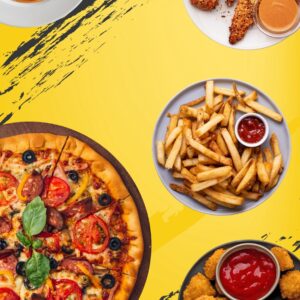
Food has always been an important part of human life. It provides nourishment, brings families together, celebrates culture, and creates lasting memories. For centuries, people shared recipes through handwritten notes, cookbooks, and word of mouth. Today, however, the way we discover, choose, prepare, and enjoy food has changed dramatically because of food photography.
Every day, millions of people view photos of meals on websites, social media platforms, restaurant menus, food delivery apps, magazines, and advertisements. Before taking the first bite, many people now experience food with their eyes. A beautiful photograph can make a simple meal appear irresistible, inspire someone to visit a restaurant, or encourage a home cook to try a new recipe.
Food photography has become much more than an artistic hobby. It influences consumer behavior, restaurant marketing, global food trends, travel decisions, purchasing habits, and even the psychology of taste. It has transformed how we think about food and how we connect with it.
In this article, we explore how food photography has changed the way we eat and why it continues to shape the future of the global food industry.
The Evolution of Food Photography
The Early Days of Food Photography
Food photography first appeared in printed cookbooks, newspapers, and magazines. Early photographs focused mainly on showing what a finished dish looked like. Since photography equipment was expensive and editing tools were limited, food images often looked simple and practical.
Restaurants also relied mostly on written menus. Customers ordered meals based on descriptions rather than pictures.
As camera technology improved, food photography became more detailed and visually appealing. Professional photographers learned how lighting, composition, colors, and styling could make food look fresh and delicious.
This marked the beginning of a new era in food presentation.
The Digital Revolution
The arrival of digital cameras and smartphones changed everything.
Anyone could now photograph their meals and instantly share them online.
Social media platforms made food photography accessible to millions of people, turning everyday diners into food creators and influencers.
Instead of relying only on chefs or food critics, consumers began discovering restaurants through photographs shared by other customers.
Why We Eat with Our Eyes First
One of the most important discoveries in food psychology is that vision strongly influences appetite.
Before tasting food, our brains evaluate its appearance.
When we see attractive food, our brains begin preparing for the eating experience by increasing anticipation and stimulating appetite.
Bright colors, balanced presentation, fresh ingredients, and attractive plating all contribute to positive expectations.
A beautifully photographed meal often appears to taste better before it is even eaten.
This is why restaurants invest significant effort in presentation as well as photography.
How Food Photography Influences Appetite
Visual Stimulation
The human brain processes visual information extremely quickly.
When we see:
- Melted cheese
- Fresh herbs
- Crispy textures
- Golden crusts
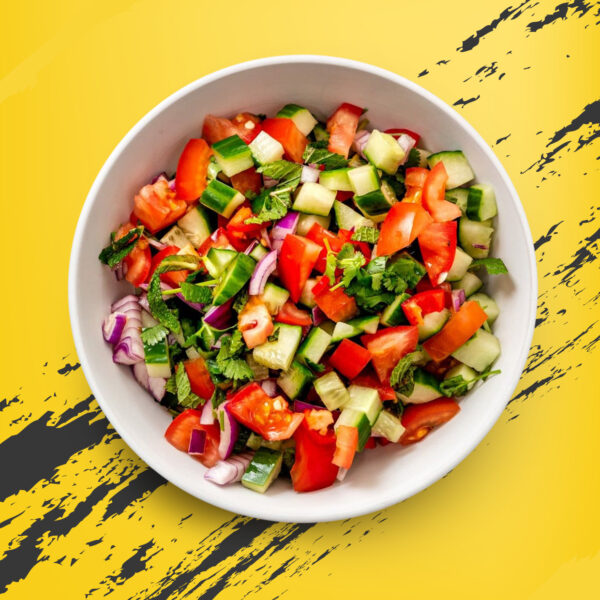
- Vibrant vegetables
- Rich sauces
our brains immediately begin imagining the flavors and aromas.
This visual stimulation increases hunger and encourages food purchasing decisions.
The Role of Color
Color is one of the strongest tools in food photography.
Warm colors like:
- Red
- Orange
- Yellow
are commonly associated with appetite and excitement.
Fresh green vegetables communicate health and freshness.
Natural earth tones suggest homemade quality and authenticity.
Photographers carefully use these color relationships to create emotional responses.
How Social Media Changed Food Photography
The Rise of Food Sharing
Platforms like Instagram, Facebook, Pinterest, TikTok, and X transformed food photography into a global trend.
People now regularly share:
- Breakfast
- Lunch
- Dinner
- Desserts
- Coffee
- Street food
- Restaurant experiences
Food became one of the most photographed subjects online.
Restaurants also realized that customers were becoming free promoters by posting attractive food photos.
The Birth of “Instagrammable” Food
Many restaurants now design meals specifically for photography.
Examples include:
- Colorful smoothie bowls
- Artistic desserts
- Decorative cocktails
- Unique plating styles
- Large sharing platters
These meals are designed not only to taste good but also to look impressive in photographs.
When customers share these images, restaurants receive valuable publicity without traditional advertising costs.
How Food Photography Influences Restaurant Choices
Today, many customers decide where to eat before reading a menu.
Instead, they search online for photographs.
People often evaluate restaurants based on:
- Food appearance
- Portion sizes
- Interior design
- Table settings
- Customer photos
- Overall atmosphere
High-quality food photography builds trust and increases expectations.
Poor-quality images can discourage potential customers even if the food itself is excellent.
The Psychology Behind Beautiful Food Images
Expectation Shapes Experience
Psychologists have found that expectations influence satisfaction.
When customers see beautiful food photographs before visiting a restaurant, they develop positive expectations.
If the meal matches those expectations, satisfaction increases.
This demonstrates the importance of honest and accurate food photography.
Emotional Storytelling
Excellent food photography tells a story.
Rather than simply showing ingredients, photographs communicate emotions such as:
- Comfort
- Celebration
- Family
- Luxury
- Simplicity
- Adventure
These emotional connections encourage people to imagine themselves enjoying the experience.
Food Photography and Consumer Purchasing Decisions
Food photography has become one of the most powerful marketing tools in the food industry.
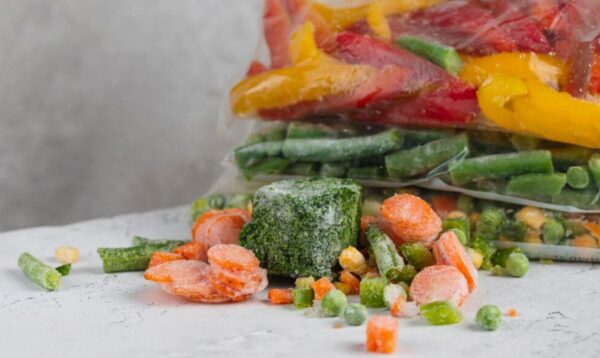
Consumers often purchase products because of attractive packaging photographs.
Examples include:
- Frozen meals
- Snack foods
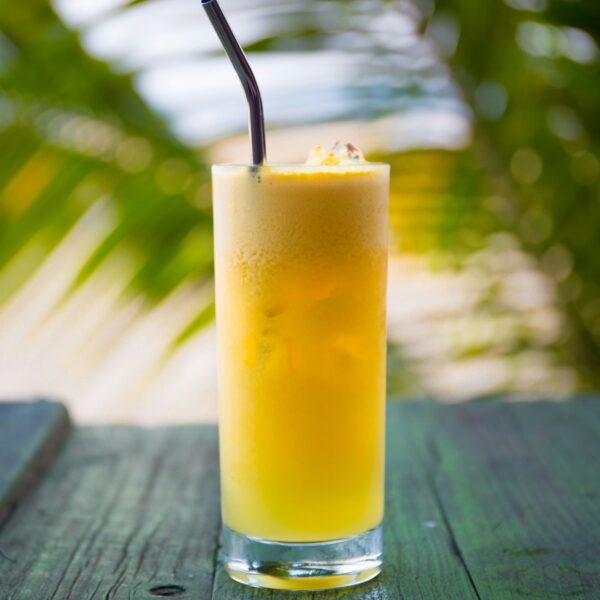
- Beverages
- Bakery products
- Restaurant takeaways
Visual presentation creates immediate impressions before consumers even read product descriptions.
The Growth of Food Delivery Apps
Food delivery platforms rely heavily on photography.
Customers cannot smell or taste food before ordering.
Instead, they depend almost entirely on images.
Restaurants with professional photographs often receive more attention than those without images.
Food photography therefore directly influences online sales.
How Food Photography Inspires Home Cooking
Food photography has encouraged millions of people to cook more often.
Online recipes accompanied by attractive images help readers understand:
- Ingredients
- Preparation methods
- Expected results
- Serving ideas
Seeing a finished dish gives people confidence to try recipes they might otherwise avoid.
Food Bloggers and Content Creators
Food bloggers have transformed modern food education.
Through photography they demonstrate:
- Cooking techniques
- Ingredient substitutions
- Cultural dishes
- Healthy meal ideas
- Seasonal recipes
Their images often inspire readers to expand their culinary knowledge.
How Food Photography Promotes Cultural Exchange
Photography allows people to discover cuisines from around the world.
Someone living in one country can instantly explore:
- Japanese sushi
- Mexican tacos
- Italian pasta
- Moroccan tagine
- Indian curry
- Ethiopian injera
- Korean barbecue
Beautiful images encourage curiosity and appreciation for different cultures.
Many travelers now choose destinations partly because of the local food they discover online.
The Influence on Restaurant Design
Restaurants increasingly design interiors with photography in mind.
Common features include:
- Natural lighting
- Decorative walls
- Attractive tableware
- Stylish furniture
- Open kitchens
- Artistic décor
These elements encourage customers to take photographs and share them online.
Every shared image becomes free marketing.
The Importance of Authentic Food Photography
While editing software allows dramatic improvements, authenticity remains essential.
Customers appreciate photographs that accurately represent meals.
Misleading images may create disappointment and reduce customer trust.
Successful restaurants balance attractive presentation with honesty.
Food Photography and Healthy Eating
Photography also promotes healthier lifestyles.
Images featuring:
- Fresh fruits
- Vegetables
- Whole grains
- Lean proteins
- Balanced meals
can encourage healthier eating habits.
Many nutrition experts use photography to educate the public about proper portion sizes and nutritious meal combinations.
The Role of Lighting in Food Photography
Lighting is one of the most important elements.
Natural light often makes food appear:
- Fresher
- Softer
- More appetizing
Professional photographers carefully position light to highlight textures and colors.
Good lighting enhances visual appeal without changing the food itself.
Composition and Food Styling
Professional food photographers carefully arrange every element.
They consider:
- Plate placement
- Background
- Garnishes
- Colors
- Balance
- Negative space
Every detail contributes to the viewer’s perception of quality.
Even simple meals can appear elegant through thoughtful composition.
Food Photography and Branding
Restaurants use photography to establish consistent brand identities.
A recognizable photographic style helps customers remember the restaurant.
Consistent imagery communicates:
- Quality
- Personality
- Professionalism
- Trust
Brand recognition often begins with visual consistency.
The Future of Food Photography
Technology continues improving food photography.
Emerging innovations include:
- Artificial intelligence editing
- Augmented reality menus
- Interactive restaurant displays
- Three-dimensional food visualization
- Virtual restaurant tours
These technologies will make food experiences even more immersive before customers place their orders.
Despite technological advances, one principle remains unchanged: people respond emotionally to beautiful food.
Practical Tips for Taking Better Food Photos
Anyone can improve food photography by following simple techniques.
Use Natural Light
Photograph food near windows whenever possible.
Keep the Background Simple
Avoid distractions that compete with the meal.
Highlight Fresh Ingredients
Visible herbs, vegetables, and natural textures create freshness.
Choose the Right Angle
Different meals look better from different perspectives.
Avoid Overediting
Natural colors build trust and authenticity.
Tell a Story
Include simple elements like utensils, drinks, or ingredients to create context.
Why Food Photography Matters More Than Ever
Modern consumers increasingly make decisions based on visual information.
Before choosing where to eat, what to cook, or which product to purchase, they often view photographs first.
Food photography has become one of the strongest communication tools in the restaurant and hospitality industry.
It connects businesses with customers, introduces cultures to new audiences, inspires creativity in home kitchens, and helps people appreciate food beyond its nutritional value.
Every photograph has the potential to create curiosity, inspire travel, influence purchasing decisions, preserve culinary traditions, and encourage meaningful dining experiences.
Conclusion
Food photography has fundamentally changed the way we eat by transforming food into a visual experience before it becomes a culinary one. It influences our appetite, emotions, purchasing decisions, travel plans, cooking habits, and restaurant choices. Through carefully captured images, food becomes more than nourishment—it becomes a story, a memory, and an invitation to explore new flavors and cultures.
As technology continues to evolve, food photography will remain an essential part of the global dining experience. Whether viewed in a cookbook, on a restaurant website, in a food delivery app, or on social media, a single photograph has the power to inspire millions of people to discover, prepare, share, and enjoy food in entirely new ways.
Beehive Restaurant and Lounge is a vibrant culinary destination in Portland, Oregon, offering a unique blend of authentic African cuisine infused with the sweetness of honey. Whether you’re joining us for a meal or a special celebration, Beehive is your hive of warmth, hospitality, and exceptional culinary delights. Connect with us on social media and join our community to stay updated on our latest offerings and events!