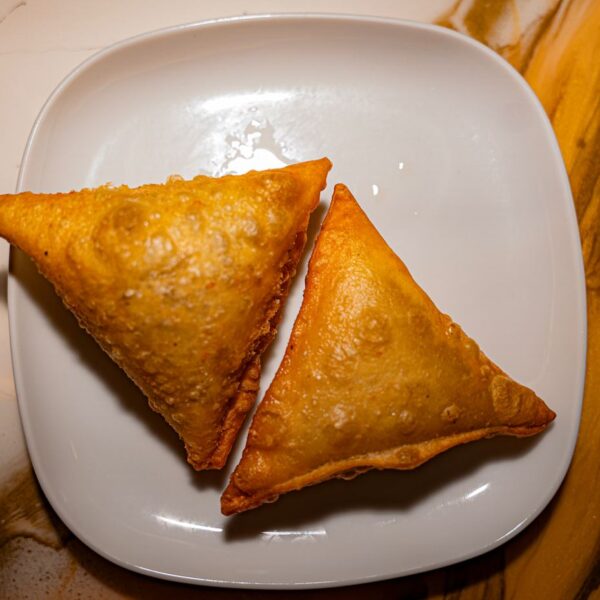
There is something special about the sound of biting into a crispy piece of fried chicken, a freshly baked biscuit, a crunchy potato chip, or a golden piece of toast. That satisfying crunch can make food more enjoyable before we even begin to think about its flavor.
But what makes food crispy? Why do some foods develop a beautiful golden crust while others remain soft? And why does crispy food often lose its texture after being left out for a short time?
The answer lies in food science, moisture, temperature, cooking methods, and the structure of the food itself. Understanding these factors helps us appreciate the work behind perfectly crispy meals and explains why professional kitchens pay close attention to texture.
What Makes Food Crispy?
Crispiness is a physical property of food. It describes how food breaks, cracks, or fractures when we bite into it.
Crispy foods usually have a firm, relatively dry outer layer that breaks easily under pressure. This produces the familiar crunch we hear and feel while eating.
Examples of crispy foods include fried potatoes, crackers, toasted bread, roasted nuts, crispy vegetables, and breaded chicken.
The texture depends on several factors, including moisture content, the structure of the food, cooking temperature, and the way heat moves through the ingredients.
When these factors work together, food develops a crust that breaks cleanly instead of bending or becoming soft.
The Role of Moisture in Creating Crispy Food
Moisture is one of the most important factors affecting crispiness.
Most foods contain water. During cooking, heat causes some of this water to evaporate, especially near the surface. As the surface dries, it can become firmer and more brittle.
This process is essential for creating the crunchy texture found in many baked and fried foods.
Why Too Much Moisture Makes Food Soft
When food contains too much moisture on its surface, it becomes difficult to develop and maintain a crisp crust.
For example, potatoes that have not been dried properly may produce less crispy fried results because surface water must evaporate before effective browning and crust formation can occur.
Similarly, fried food placed in a tightly covered container may quickly become soft. Steam escapes from the hot food, but the lid traps that moisture inside. As the steam condenses, the crust absorbs water and loses its crunch.
The key to crispiness is controlling moisture rather than simply removing as much water as possible. The inside of a food can remain moist and tender while the outside becomes dry and crunchy.
How Heat Creates a Golden, Crispy Crust
Heat transforms the surface of food during cooking.
When food is baked, roasted, or fried, its surface temperature rises as moisture evaporates. Once the surface becomes sufficiently dry and hot, chemical reactions can create a golden color and rich flavor.
Understanding the Maillard Reaction
The Maillard reaction is a chemical process involving amino acids and reducing sugars. It occurs when suitable ingredients are heated and contributes to the brown color and complex flavors of many cooked foods.
This reaction helps create the appealing crust on roasted meat, toasted bread, baked pastries, and many fried foods.
The Maillard reaction is different from caramelization, which involves the chemical breakdown of sugars under heat.
Both processes can contribute to the flavor and appearance of cooked food.
Why Temperature Matters
Cooking temperature affects how quickly moisture evaporates and how the surface develops.
If the temperature is too low, food may cook slowly and remain soft or absorb more oil during frying, depending on the cooking conditions.
If the temperature is too high, the outside may brown or burn before the inside is properly cooked.
The best temperature depends on the food, its size, moisture content, and cooking method.
Achieving the right balance helps create a crisp exterior without sacrificing the quality of the inside.
Why Frying Creates Such a Satisfying Crunch
Frying is one of the most effective ways to produce crispy food.
When food enters hot oil, water near the surface begins turning into steam. This movement of moisture helps develop a crust, while the hot oil transfers heat efficiently to the food.
As the surface dries and browns, it develops a distinct texture.
The Importance of Oil Temperature
Oil temperature has a major effect on the final result.
If the oil is too cool, cooking takes longer and the food may absorb more oil. The crust may also become less crisp.
If the oil is excessively hot, the outside can brown too quickly while the inside remains undercooked.
Adding too much food to a pan or fryer at once can also lower the oil temperature. This is why cooking in manageable batches often produces better results.
Why a Coating Makes Fried Food Crispier
Breading and batter create an additional layer that can become crisp during frying.
Different coatings produce different textures. Flour-based coatings may create a light crust, while breadcrumbs can form a rougher, crunchier surface.
Starches also play an important role in crust formation.
The final texture depends on the ingredients, coating thickness, moisture, oil temperature, and cooking time.
The Science of Crispy Baked Foods
Crispiness is not limited to fried food. Baking can also produce excellent crunchy textures.
Crackers, biscuits, cookies, and pastries become crispy as moisture leaves their structure during baking.
The balance of ingredients affects the result.
For example, the amount of water, fat, sugar, and flour influences how a dough spreads, sets, browns, and dries.
Thin biscuits generally become crisp more easily than thick ones because moisture has a shorter distance to travel before escaping.
Baking time also matters. Food removed too early may retain excess moisture, while excessive baking can make it too dark or dry.
Why Some Foods Are Crispy Outside but Soft Inside
One of the most enjoyable food textures combines a crunchy exterior with a soft, moist interior.
Fried chicken, roasted potatoes, and certain pastries demonstrate this contrast.
The reason is that heat and moisture do not move through food at the same rate.
The outer surface is exposed directly to hot air, oil, or the cooking surface. Moisture evaporates from this region, allowing a crust to develop.
The inside heats more gradually and may retain more water.
This difference creates two textures in one bite: a crisp outer layer and a softer center.
Good cooking controls the contrast between the outside and inside rather than making the entire food equally dry.
Why Crispy Food Becomes Soggy
One of the biggest challenges in preparing crispy food is keeping it crunchy after cooking.
The main reason is moisture movement.
A crispy crust contains less water than the softer interior of the food. After cooking, moisture can move from the inside toward the drier outer layer.
As the crust absorbs this water, it becomes less brittle and loses its crunch.
Humidity in the surrounding air can also affect crispness because dry, porous foods may absorb moisture from the atmosphere.
How to Keep Food Crispy for Longer
We can help preserve crispiness by following a few simple practices:
- Use a wire rack: Allowing air to circulate around hot food helps prevent steam from collecting underneath.
- Avoid covering food immediately: Trapped steam can soften the crust.
- Serve food promptly: Many crispy foods are at their best shortly after cooking.
- Keep fried food in a single layer: Stacking hot pieces can trap moisture between them.
- Store leftovers safely: Refrigerate perishable food promptly rather than leaving it at room temperature for extended periods.
When reheating suitable leftovers, an oven or air fryer can help restore some crispiness better than a microwave, although the result depends on the food.
How Air Fryers Create Crispy Food
Air fryers use rapidly circulating hot air to transfer heat to food.
This process can create a browned, crisp exterior with less added oil than traditional deep-frying.
However, an air fryer does not produce exactly the same results as immersing food in hot oil. The difference depends on the recipe and the type of coating used.
For better results, avoid overcrowding the basket, allow air to circulate, and lightly coat suitable ingredients with oil when appropriate.
Drying wet ingredients before cooking can also improve browning.
Why Crunch Makes Food More Enjoyable
Crispiness affects more than physical texture. It also influences how we experience food.
The sound of a crunch provides information about the structure of what we are eating. A loud, sharp crack can suggest freshness, while a soft or soggy texture may create a different expectation.
Texture also contrasts with other sensations, including creaminess, tenderness, and juiciness.
For example, a crispy topping over a creamy dish creates variety in every bite. Similarly, a crunchy salad can feel more interesting when combined with a smooth dressing.
Food enjoyment often comes from the interaction of taste, aroma, sound, and texture, rather than flavor alone.
Conclusion: The Secret Behind the Perfect Crunch
The science behind crispy food comes down to the interaction of moisture, heat, ingredients, and food structure.
A good crunch develops when the surface becomes sufficiently dry and forms a firm, brittle layer. Cooking temperature and technique determine how this layer develops, while storage conditions influence how long it lasts.
Whether we are enjoying golden fried potatoes, freshly baked biscuits, roasted vegetables, or crispy chicken, the same basic principles help explain their texture.
By understanding how moisture evaporates, how heat transforms food, and how crispness is lost, we can better appreciate the science behind our favorite crunchy dishes.
The perfect crunch is not an accident. It is the result of carefully controlled cooking conditions that bring together texture, flavor, and an enjoyable eating experience.
Beehive Restaurant and Lounge is a vibrant culinary destination in Portland, Oregon, offering a unique blend of authentic African cuisine infused with the sweetness of honey. Whether you’re joining us for a meal or a special celebration, Beehive is your hive of warmth, hospitality, and exceptional culinary delights. Connect with us on social media and join our community to stay updated on our latest offerings and events!