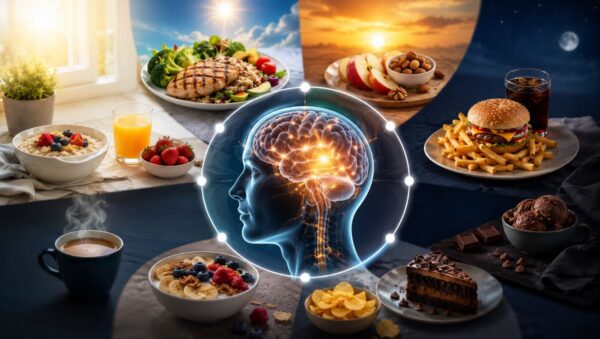
As we grow older, many things about our bodies change, and our sense of taste is no exception. Foods that once seemed rich and flavorful may begin to taste different. Some meals may seem less exciting, while certain strong flavors may become more appealing. In some cases, we may even notice that foods we used to enjoy no longer taste the same.
This does not mean that our ability to enjoy food has to disappear with age. In fact, understanding how taste changes as we get older can help us make better food choices, enjoy meals more, and recognize when a change in taste may be connected to something other than normal aging.
Taste is a complex sense. It involves the tongue, taste receptors, smell, the nervous system, the brain, and our previous experiences with food. Because these systems work together, a change in any one of them can affect how we experience a meal.
What Are Taste Buds?
Taste buds are small sensory structures that help us detect different tastes. They are found mainly on the tongue, although taste receptors are also present in other areas of the mouth and throat.
Each taste bud contains specialized cells that respond to chemicals in the foods and drinks we consume. These cells send signals through nerves to the brain, where the information is interpreted as taste.
The five widely recognized basic tastes are:
- Sweet
- Salty
- Sour
- Bitter
- Umami
Umami is the savory taste commonly associated with foods such as meat, mushrooms, tomatoes, cheese, and broths.
Our experience of food, however, is not created by taste alone. Smell, temperature, texture, appearance, and even sound can influence how we experience flavor.
Do We Lose All Our Taste Buds as We Age?
A common belief is that we simply lose most of our taste buds as we get older. The reality is more complicated.
Taste perception can change with age, but the change is not simply a matter of all taste buds disappearing.
Taste receptor cells naturally renew themselves, but the ability to detect flavors can become less sensitive over time. Changes in the number and function of taste receptors, along with changes elsewhere in the sensory system, can contribute to differences in taste perception.
The degree of change also varies greatly from one person to another.
Some older adults continue to enjoy a wide range of flavors, while others notice a much greater reduction in taste sensitivity.
How Aging Can Change Our Sense of Taste
As we age, we may become less sensitive to some tastes.
This can make familiar foods seem different.
For example, a meal that once tasted strongly seasoned may seem milder. A favorite dish may appear to have less flavor than it did years earlier.
This does not necessarily mean that the recipe has changed.
Our sensory system may simply be processing the flavors differently.
Sweet and Salty Tastes
Changes in the ability to detect sweet and salty tastes can affect eating habits.
If food seems less flavorful, we may be tempted to add more salt or sugar.
This can become important because regularly adding large amounts of salt or sugar is not the best way to restore flavor.
Instead, we can explore other ways to make meals enjoyable.
Bitter and Sour Tastes
Sensitivity to bitter and sour flavors can also change.
This may affect how we experience:
- Certain vegetables
- Citrus fruits
- Coffee
- Some medicines
- Fermented foods
- Certain sauces
A change in sensitivity may cause previously disliked foods to become more acceptable, or foods once enjoyed to taste different.
Smell Is One of the Biggest Parts of Flavor
When we talk about taste, we often think only about the tongue.
However, smell plays a major role in our experience of flavor.
When we eat, aroma from food travels through the mouth and reaches smell receptors through a pathway at the back of the throat. The brain combines information from smell and taste to create what we commonly call flavor.
This explains why food can seem less flavorful when we have a blocked nose.
Why Aging Can Affect Flavor More Than Taste
The sense of smell can become less sensitive with age.
When smell sensitivity decreases, foods may appear less aromatic and less complex even when our basic ability to detect sweet, salty, sour, bitter, and umami tastes remains relatively intact.
This is one reason an older person may say:
“The food doesn’t taste the way it used to.”
The problem may not be entirely with the taste buds.
A change in smell can make a major difference to the overall eating experience.
Why Food May Seem Less Flavorful With Age
Several factors can contribute to changes in flavor perception.
These may include:
- Changes in taste receptor function
- Reduced sense of smell
- Dry mouth
- Dental problems
- Certain medications
- Illness
- Smoking
- Changes in the nervous system
- Reduced appetite
- Medical treatments
Because many factors can produce similar symptoms, persistent changes in taste should not automatically be blamed on normal aging.
Dry Mouth and Changes in Taste
Saliva plays an important role in tasting food.
Taste chemicals need to dissolve in saliva before they can interact effectively with taste receptors.
As we get older, some people experience dry mouth, also known as xerostomia.
Dry mouth can result from:
- Certain medications
- Dehydration
- Medical conditions
- Radiation treatment
- Reduced saliva production
When there is not enough saliva, food may seem less flavorful and swallowing may become uncomfortable.
A dry mouth can also affect oral health, so persistent symptoms deserve attention from a healthcare professional or dentist.
How Medications Can Change Taste
Medication is another important factor.
Some medicines can cause:
- Altered taste
- Metallic taste
- Bitter taste
- Reduced taste sensitivity
- Dry mouth
Older adults are more likely to take multiple medications, which means medication-related changes can become particularly relevant.
A sudden change in taste after starting a new medicine should be discussed with a healthcare professional.
Medication should not be stopped or changed without professional advice.
Dental Health and Taste
Our mouth is an important part of the eating experience.
Dental problems can affect:
- Chewing
- Saliva
- Food texture
- Comfort
- Oral sensation
Poor oral health may also change the way food tastes or make certain foods difficult to enjoy.
Regular dental care can therefore contribute to maintaining a pleasant eating experience as we age.
Why Texture Becomes More Important
When taste and smell become less sensitive, texture can become an even more noticeable part of eating.
We may pay more attention to whether food is:
- Crispy
- Creamy
- Soft
- Crunchy
- Tender
- Juicy
- Chewy
A meal with several textures can feel more interesting even when flavor sensitivity has changed.
This is particularly useful when preparing meals for older adults.
Temperature Can Affect How We Experience Food
Temperature also influences eating.
Warm foods can release aromas that increase the overall sensory experience. Cold foods can provide refreshing sensations and different textures.
For example:
- Warm soup can provide aroma and comfort.
- Chilled fruit can provide freshness.
- Warm bread can release appealing aromas.
- Cold yogurt can provide a smooth, refreshing texture.
Using temperature thoughtfully can help make meals more enjoyable.
Why Stronger Flavors May Become More Appealing
If food begins to taste less intense, some people naturally prefer stronger flavors.
They may become more interested in:
- Herbs
- Spices
- Garlic
- Ginger
- Citrus
- Fresh vegetables
- Aromatic sauces
This does not mean that food must become extremely spicy.
Instead, layering different natural flavors can make meals more interesting.
How Herbs and Spices Can Improve Meals
Herbs and spices can add complexity without relying entirely on salt or sugar.
Examples include:
- Basil
- Coriander
- Rosemary
- Thyme
- Black pepper
- Cinnamon
- Turmeric
- Ginger
- Garlic
- Paprika
Combining several ingredients can create a richer sensory experience.
For example, lemon and herbs can brighten a dish, while garlic and ginger can add aroma and depth.
The Role of Umami as We Age
Umami is especially useful when we want to create satisfying savory flavors.
Umami is found naturally in foods such as:
- Tomatoes
- Mushrooms
- Meat
- Fish
- Cheese
- Broths
- Some fermented foods
A well-developed savory flavor can make meals satisfying without depending entirely on additional salt.
Why Familiar Foods Can Still Taste Better
Taste is not only biological.
Experience matters.
We develop food preferences over many years.
A familiar dish can be enjoyable because it connects taste with:
- Memories
- Family
- Culture
- Childhood
- Celebrations
- Comfort
- Tradition
Even if our sensory sensitivity changes, emotional associations can continue to make certain foods enjoyable.
How Memories Influence Flavor
The brain connects food with experiences.
The smell of a particular dish may remind us of a family gathering. A familiar spice may remind us of home. A traditional meal may bring back memories of holidays or celebrations.
This is why food can have such a powerful emotional role.
A meal does not have to be scientifically perfect to be meaningful.
Sometimes the most enjoyable food is the food connected to a positive memory.
Why Cultural Foods Remain Important as We Age
Food is closely connected to identity and culture.
Traditional dishes can provide familiarity and comfort.
As taste changes, we do not necessarily need to abandon these foods. Instead, recipes can sometimes be adapted while preserving their traditional character.
For example, we can use:
- More herbs
- Fresh ingredients
- Natural aromas
- Different textures
- Balanced seasonings
This can help preserve familiar meals while making them enjoyable for changing sensory preferences.
Can We Train Our Taste Buds?
Our taste preferences are not completely fixed.
Repeated exposure can influence what we enjoy.
A person who initially dislikes a particular vegetable may become more comfortable with it after trying it several times prepared in different ways.
This is especially useful when taste preferences change.
Instead of assuming that a food is permanently unpleasant, we can experiment with:
- Different cooking methods
- Different seasonings
- Different textures
- Different combinations
Roasted vegetables, for example, can taste very different from boiled vegetables.
Why Presentation Matters More as Flavor Changes
Eating begins with our eyes.
Color, arrangement, portion size, and presentation can influence expectations before the first bite.
A colorful meal containing several naturally different foods can create a more appealing experience.
For older adults experiencing reduced appetite, attractive presentation can make meals feel more inviting.
How Restaurants Can Create Better Experiences for Older Diners
Restaurants can also consider age-related sensory changes when designing meals.
Useful approaches include:
Strong Natural Aromas
Fresh herbs, roasted vegetables, citrus, garlic, and spices can create appealing aromas.
Balanced Textures
Combining soft, crisp, creamy, and tender elements can make a dish more interesting.
Good Presentation
Colorful and carefully arranged meals can stimulate interest before eating.
Appropriate Seasoning
Flavor should be developed through a variety of ingredients rather than relying heavily on salt or sugar.
Comfortable Dining Environments
Lighting, noise levels, seating, and service can all affect the overall dining experience.
How to Make Food More Flavorful Without Adding Too Much Salt
When food seems bland, adding more salt may seem like the easiest solution.
There are other options.
We can increase flavor through:
- Lemon juice
- Lime juice
- Fresh herbs
- Garlic
- Ginger
- Onion
- Black pepper
- Spices
- Vinegar
- Tomatoes
- Mushrooms
These ingredients can create complexity and contrast.
The goal is not simply to make food stronger. The goal is to make it more interesting and satisfying.
How to Make Meals More Enjoyable as We Age
Aging does not mean that eating has to become boring.
Several simple strategies can help.
Use Fresh Ingredients
Fresh ingredients can provide stronger natural aromas and textures.
Add Variety
Different colors, textures, and flavors can make meals more interesting.
Experiment With Herbs and Spices
This can increase flavor without relying entirely on salt.
Pay Attention to Texture
Crunchy vegetables, tender proteins, smooth sauces, and soft grains can provide variety.
Eat in a Pleasant Environment
A comfortable dining space can improve the overall experience.
Enjoy Meals With Other People
Social interaction can make eating more enjoyable and meaningful.
Does Aging Affect Everyone’s Taste in the Same Way?
No.
There is considerable individual variation.
Two people of the same age may have very different taste experiences.
Differences can be influenced by:
- Genetics
- Lifestyle
- Smoking history
- Oral health
- Medications
- Medical conditions
- Sense of smell
- Diet
- Previous food experiences
Age is therefore only one part of the picture.
When a Change in Taste Should Not Be Ignored
Not every change in taste is simply part of getting older.
A sudden or persistent change may sometimes be associated with:
- An infection
- Medication
- Oral health problems
- Dry mouth
- Neurological conditions
- Certain medical treatments
- Other health problems
A healthcare professional can help determine the cause.
It is especially important to seek medical advice if changes in taste occur together with other unexplained symptoms.
How Changes in Taste Can Affect Nutrition
Taste changes can influence what we choose to eat.
If food becomes less appealing, we may eat smaller amounts or avoid certain foods.
Over time, this may make it harder to obtain enough nutrients.
This is why maintaining an enjoyable and varied diet is important.
If persistent taste changes are affecting appetite or food intake, professional dietary advice can be useful.
The Connection Between Taste, Appetite, and Enjoyment
Taste is an important part of appetite.
When food smells and tastes appealing, we are more likely to look forward to eating.
When flavor seems dull, appetite may decrease.
This creates a cycle:
Less flavor → less enjoyment → reduced interest in food → fewer enjoyable meals
Creating attractive, flavorful, and varied meals can help break this pattern.
What We Can Learn From Changes in Taste
Changes in taste can teach us something important about food.
We often focus heavily on individual ingredients, but the eating experience depends on many senses working together.
A meal is influenced by:
- Taste
- Smell
- Texture
- Temperature
- Appearance
- Memory
- Environment
- Social interaction
When one sensory system changes, we can strengthen the others.
The Future of Dining for an Aging Population
As populations around the world grow older, understanding the changing sensory experience of food will become increasingly important.
Restaurants, food producers, caregivers, families, and chefs can all benefit from understanding how aging affects eating.
The goal should not simply be to provide food.
The goal should be to create meals that remain:
- Flavorful
- Appealing
- Nutritious
- Comfortable
- Culturally meaningful
- Enjoyable
Good food can continue to provide pleasure throughout life.
Frequently Asked Questions About Taste and Aging
Do taste buds disappear as we get older?
Taste perception can become less sensitive with age, but aging does not simply mean that all taste buds disappear. Changes in taste can involve the taste receptors, smell, saliva, medications, oral health, and other factors.
Why does food taste bland as we age?
Reduced sensitivity to taste or smell can make food seem less flavorful. Dry mouth, medications, dental problems, illness, and other factors can also contribute.
Does smell affect taste?
Yes. Smell is a major part of flavor perception. A reduced sense of smell can make food seem less flavorful even when the basic taste sensations remain.
Why do older people sometimes prefer stronger flavors?
If flavors become less noticeable, stronger natural aromas and more complex seasoning may become more appealing.
Can spices make food more enjoyable?
Yes. Herbs and spices can add aroma, complexity, warmth, and contrast to meals. They can be useful when we want to increase flavor without relying heavily on salt or sugar.
Can taste changes affect appetite?
Yes. If food becomes less enjoyable, some people may lose interest in eating. Persistent appetite changes should be discussed with a healthcare professional.
Should we add more salt when food tastes bland?
Not necessarily. Herbs, spices, citrus, garlic, ginger, vinegar, tomatoes, and other flavorful ingredients can add complexity without simply increasing salt.
Conclusion
Our sense of taste can change as we get older, but aging does not mean that we have to stop enjoying food. Taste perception is influenced by much more than the taste buds themselves. Smell, saliva, oral health, medications, the nervous system, memories, culture, texture, and the environment all contribute to the way we experience a meal.
When food begins to taste different, we can respond by exploring new flavors and cooking techniques rather than assuming that enjoyable eating is a thing of the past.
Fresh herbs, spices, citrus, garlic, ginger, naturally savory ingredients, attractive presentation, varied textures, and pleasant dining environments can all help create satisfying meals.
Most importantly, a change in taste should not automatically be dismissed as a normal part of aging. If the change is sudden, persistent, or accompanied by other symptoms, professional medical or dental advice can help identify the underlying cause.
As we grow older, our relationship with food may change, but the pleasure of sharing a good meal, enjoying familiar traditions, discovering new flavors, and connecting with other people can remain an important part of life.
Beehive Restaurant and Lounge is a vibrant culinary destination in Portland, Oregon, offering a unique blend of authentic African cuisine infused with the sweetness of honey. Whether you’re joining us for a meal or a special celebration, Beehive is your hive of warmth, hospitality, and exceptional culinary delights. Connect with us on social media and join our community to stay updated on our latest offerings and events!