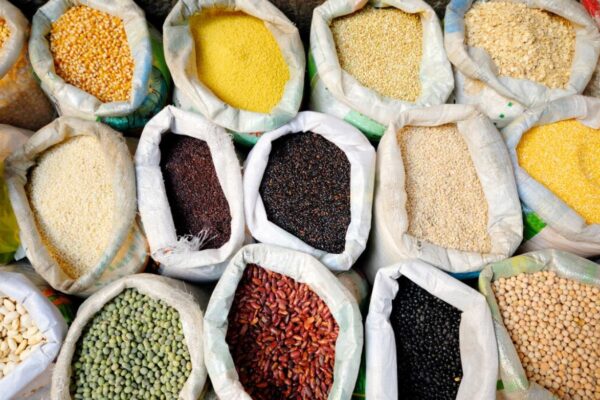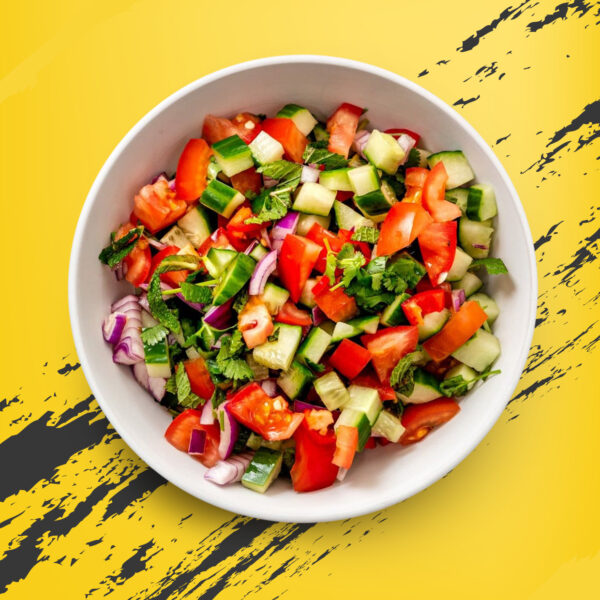
Food is one of the most important parts of daily life. Every meal we eat affects our health, energy, mood, and overall well-being. While recipes, cooking techniques, and presentation matter, one factor has the greatest impact on the quality of a meal: fresh ingredients.
Fresh ingredients improve flavor, nutrition, texture, aroma, and appearance. They help create healthier meals, better dining experiences, and stronger connections to food. Across homes, restaurants, hotels, and food industries worldwide, fresh ingredients remain the foundation of high-quality cooking.
In this complete guide, we explore why fresh ingredients make such a big difference in meals and how they influence health, taste, sustainability, and overall food quality.
What Are Fresh Ingredients?
Fresh ingredients are foods that are used close to the time they are harvested, produced, or prepared. They are minimally processed and maintain their natural flavor, nutrients, texture, and aroma.
Examples include:
- Fresh fruits
- Fresh vegetables
- Fresh herbs
- Fresh meat and seafood
- Fresh dairy products
- Fresh grains and spices
Fresh ingredients are usually free from excessive preservatives, artificial additives, and long-term storage damage.
Fresh Ingredients Improve Flavor Naturally
One of the biggest differences between fresh and processed ingredients is taste.
Fresh foods contain natural oils, sugars, juices, and nutrients that create rich and balanced flavors. When ingredients are fresh, meals become more vibrant and satisfying without relying heavily on artificial flavor enhancers.
For example:
- Fresh tomatoes taste sweeter and juicier
- Fresh herbs provide stronger aroma and flavor
- Fresh fish tastes cleaner and lighter
- Fresh fruits have brighter natural sweetness
Meals prepared with fresh ingredients often require less salt, sugar, or seasoning because the ingredients already contain strong natural flavors.
Fresh Ingredients Provide Better Nutrition
Fresh ingredients contain more vitamins, minerals, antioxidants, and nutrients compared to heavily processed foods.
Over time, nutrients begin to break down during:
- Long transportation
- Freezing
- Excessive heating
- Chemical preservation
- Long storage periods
Fresh produce usually contains higher levels of:
- Vitamin C
- Vitamin A
- Potassium
- Fiber
- Antioxidants
Fresh meals help support:
- Immune health
- Heart health
- Brain function
- Digestive health
- Healthy skin and energy levels
Fresh Vegetables and Their Nutritional Benefits
Fresh vegetables are among the healthiest ingredients available.
Leafy Greens
Fresh spinach, kale, and lettuce provide:
- Iron
- Calcium
- Fiber
- Vitamins A and K
Colorful Vegetables
Bell peppers, carrots, tomatoes, and beets contain antioxidants that protect the body from damage.
Cruciferous Vegetables
Broccoli and cabbage support healthy digestion and immune function.
Fresh vegetables lose nutrients when stored for too long or overprocessed.
Fresh Fruits Improve Meal Quality
Fresh fruits bring:
- Natural sweetness
- Fiber
- Vitamins
- Hydration
Fresh fruits are often more flavorful and nutritious than canned or heavily processed alternatives.
Popular healthy fruits include:
- Oranges
- Apples
- Mangoes
- Berries
- Pineapples
- Bananas
Fresh fruits can improve desserts, breakfast meals, salads, smoothies, and snacks.
Fresh Herbs and Spices Transform Meals
Fresh herbs add depth, aroma, and freshness to dishes.
Examples include:
- Basil
- Coriander
- Rosemary
- Mint
- Thyme
- Parsley
Fresh herbs contain natural oils that lose strength over time.
Fresh spices and herbs can:
- Reduce the need for excess salt
- Improve digestion
- Add color and aroma
- Enhance presentation
Fresh Ingredients Create Better Texture
Texture affects how enjoyable food feels when eating.
Fresh ingredients help maintain:
- Crispness
- Juiciness
- Tenderness
- Smoothness
Examples:
- Fresh lettuce remains crunchy
- Fresh bread feels soft and airy
- Fresh seafood stays tender
- Fresh fruits remain juicy
Old or low-quality ingredients often become dry, soggy, rubbery, or tough.
Fresh Ingredients Support Healthier Eating
Meals made from fresh ingredients usually contain fewer:
- Artificial preservatives
- Excess sodium
- Artificial coloring
- Added sugars
- Unhealthy fats
Fresh cooking encourages balanced meals with natural nutrients.
People who regularly eat fresh meals often experience:
- Better digestion
- Higher energy levels
- Improved concentration
- Better weight management
Fresh Ingredients Reduce Chemical Additives
Processed foods often require additives to:
- Extend shelf life
- Improve color
- Maintain texture
- Artificially increase flavor
Fresh ingredients naturally maintain their quality without excessive processing.
Reducing processed ingredients may lower exposure to:
- Artificial preservatives
- Excess sodium
- Synthetic chemicals
Fresh Ingredients Improve Restaurant Quality
Restaurants known for fresh ingredients often stand out because customers can taste the difference immediately.
Fresh ingredients help restaurants:
- Build customer trust
- Improve consistency
- Increase customer satisfaction
- Create premium dining experiences
Fresh food also improves:
- Presentation
- Aroma
- Customer reviews
- Brand reputation
Why Chefs Prefer Fresh Ingredients
Professional chefs prioritize fresh ingredients because they:
- Produce better flavor
- Cook more evenly
- Look more attractive
- Maintain nutritional value
Fresh ingredients also allow chefs to create more creative and balanced dishes.
Many high-end restaurants build their entire reputation around ingredient quality.
Fresh Ingredients and Food Safety
Fresh ingredients handled correctly can improve food safety.
Spoiled or poor-quality ingredients increase the risk of:
- Food poisoning
- Bacterial contamination
- Digestive illness
Fresh ingredients should always be:
- Properly stored
- Washed thoroughly
- Kept at safe temperatures
Safe food handling is essential for maintaining freshness.
The Difference Between Fresh and Processed Foods
Fresh Foods
- Closer to natural form
- Rich in nutrients
- Usually lower in additives
- Better texture and flavor
Processed Foods
- Often contain preservatives
- Higher sodium and sugar levels
- Longer shelf life
- Less natural taste
While some processing is necessary for safety and convenience, heavily processed foods may reduce overall meal quality.
How Fresh Ingredients Affect Mental Well-Being
Healthy eating and mental health are closely connected.
Fresh foods support:
- Brain health
- Stable energy levels
- Better mood
- Improved concentration
Diets rich in fresh fruits and vegetables are linked to lower stress and improved emotional well-being.
Fresh Ingredients and Sustainable Living
Using fresh ingredients supports sustainability in many ways.
Reduced Packaging Waste
Fresh produce often requires less plastic packaging.
Support for Local Farmers
Buying fresh local ingredients helps communities and small businesses.
Lower Environmental Impact
Local fresh foods reduce transportation emissions.
Sustainable food systems depend heavily on fresh local agriculture.
Seasonal Fresh Ingredients Taste Better
Seasonal foods are harvested at the right time, allowing them to develop naturally.
Seasonal ingredients usually:
- Taste better
- Cost less
- Require fewer chemicals
- Have better nutritional value
Examples:
- Mangoes during tropical seasons
- Pumpkins during cooler seasons
- Fresh berries during harvest periods
Fresh Seafood Makes a Major Difference
Fresh seafood has:
- Cleaner flavor
- Better texture
- Higher nutritional quality
Fresh fish should:
- Smell clean
- Have firm flesh
- Appear moist and shiny
Old seafood quickly loses quality and safety.
Fresh Meat Improves Cooking Results
Fresh meat cooks more evenly and tastes better.
Fresh meat offers:
- Better texture
- Richer flavor
- Better moisture retention
Signs of fresh meat include:
- Natural color
- Firm texture
- Mild smell
Fresh Dairy Products Enhance Meals
Fresh dairy products improve:
- Creaminess
- Texture
- Flavor
Examples:
- Fresh milk
- Yogurt
- Cheese
- Butter
Fresh dairy products are important in:
- Baking
- Sauces
- Desserts
- Breakfast meals
How Fresh Ingredients Improve Home Cooking
Cooking with fresh ingredients helps families:
- Eat healthier
- Enjoy meals more
- Learn cooking skills
- Reduce dependence on fast food
Fresh cooking also encourages:
- Creativity in the kitchen
- Better meal planning
- More balanced nutrition
The Economic Value of Fresh Ingredients
Fresh food industries support millions of jobs worldwide.
These include:
- Farmers
- Fishermen
- Food suppliers
- Restaurant workers
- Market vendors
Supporting fresh food systems strengthens local economies.
Common Challenges with Fresh Ingredients
Fresh ingredients also require proper planning because they:
- Spoil faster
- Need refrigeration
- Require careful storage
To reduce waste:
- Buy only what is needed
- Store ingredients properly
- Use ingredients before expiration
How to Keep Ingredients Fresh Longer
Store Vegetables Correctly
Keep leafy greens dry and refrigerated.
Use Airtight Containers
Protect foods from moisture and air.
Freeze Certain Foods
Freeze meat, bread, and fruits when necessary.
Separate Fruits
Some fruits release gases that speed ripening.
Tips for Choosing Fresh Ingredients
Look at Color
Bright natural color often indicates freshness.
Check Texture
Fresh foods should feel firm and crisp.
Smell the Food
Fresh ingredients usually smell natural and clean.
Buy Seasonal Produce
Seasonal items are often fresher and more affordable.
Fresh Ingredients and the Future of Food
As people become more health-conscious, demand for fresh ingredients continues growing worldwide.
Consumers increasingly prefer:
- Farm-to-table meals
- Organic produce
- Local ingredients
- Fresh home-cooked meals
Restaurants and food businesses that prioritize freshness are more likely to earn customer trust and loyalty.
Conclusion
Fresh ingredients make a major difference in every meal. They improve flavor, nutrition, texture, safety, and overall dining experience. From home kitchens to professional restaurants, fresh foods remain the foundation of healthy and delicious cooking.
Choosing fresh ingredients supports better health, stronger communities, and more sustainable food systems. Every fresh meal provides an opportunity to enjoy natural flavors while nourishing the body properly.
Whether preparing a simple breakfast or a gourmet dinner, freshness always matters.
Beehive Restaurant and Lounge is a vibrant culinary destination in Portland, Oregon, offering a unique blend of authentic African cuisine infused with the sweetness of honey. Whether you’re joining us for a meal or a special celebration, Beehive is your hive of warmth, hospitality, and exceptional culinary delights. Connect with us on social media and join our community to stay updated on our latest offerings and events!