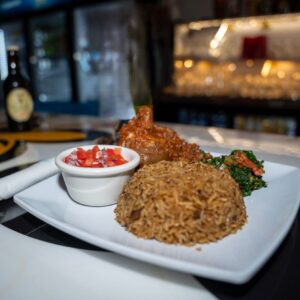
Have you ever wondered why a simple plate of pasta, grilled chicken, steak, or fried rice often tastes better at a restaurant than when we prepare the same recipe at home? Many people carefully follow recipes, use fresh ingredients, and spend hours cooking, yet the final result still does not match the flavor, texture, or presentation found in a good restaurant.
The answer is not a single secret ingredient. Instead, restaurant-quality food is the result of many factors working together. Professional chefs combine cooking techniques, premium ingredients, specialized equipment, careful preparation, food science, and years of experience to create meals that satisfy every sense.
Understanding these factors helps us appreciate the skill behind restaurant cooking and explains why dining out often feels like a unique experience rather than simply eating a meal.
Fresh Ingredients Make a Significant Difference
Restaurants Often Receive Fresh Deliveries Daily
One of the biggest differences between restaurant meals and home cooking is ingredient freshness.
Many professional restaurants receive deliveries every day or several times each week. Fresh vegetables, herbs, seafood, meat, dairy products, and fruits are used shortly after arriving in the kitchen.
Fresh ingredients usually have:
- Better flavor
- Stronger natural aroma
- Better texture
- Higher moisture content
- More vibrant color
When ingredients are fresh, they naturally produce better-tasting meals without requiring excessive seasoning.
Professional Kitchens Carefully Select Ingredients
Restaurant chefs spend time choosing ingredients based on quality rather than convenience.
Instead of selecting the cheapest option, many restaurants choose ingredients based on:
- Freshness
- Consistency
- Ripeness
- Size
- Fat content
- Appearance
- Flavor profile
This attention to detail creates a strong foundation for every dish.
Professional Cooking Equipment Produces Better Results
Commercial Stoves Generate More Heat
Restaurant kitchens use equipment that is much more powerful than typical home appliances.
Commercial gas burners produce extremely high temperatures, allowing chefs to:
- Sear meat quickly
- Cook vegetables without becoming soggy
- Lock in moisture
- Create rich caramelization
High heat creates flavors that are difficult to achieve on standard household stoves.
Professional Ovens Cook More Evenly
Restaurant ovens maintain precise temperatures.
Consistent heat allows food to cook evenly from start to finish.
This improves:
- Texture
- Moisture retention
- Browning
- Crispness
Specialized Equipment Creates Better Texture
Many restaurants also use equipment such as:
- Charcoal grills
- Wood-fired ovens
- Steam ovens
- Salamander broilers
- Flat-top grills
- Deep fryers with temperature control
Each piece of equipment contributes to flavor and consistency.
Chefs Understand the Science of Flavor
Balancing the Five Basic Tastes
Professional chefs carefully balance the five primary tastes:
- Sweet
- Salty
- Sour
- Bitter
- Umami
Instead of allowing one flavor to dominate, they create harmony between them.
A small squeeze of lemon may brighten an entire dish.
A pinch of salt can enhance sweetness.
A touch of acidity can balance richness.
These adjustments may seem small, but they dramatically improve the final result.
The Importance of Umami
Umami is often described as a savory taste.
Many restaurant dishes naturally contain umami-rich ingredients such as:
- Mushrooms
- Tomatoes
- Parmesan cheese
- Soy sauce
- Slow-cooked meats
- Stocks
- Seafood
Combining these ingredients creates deeper and more satisfying flavors.
Seasoning Happens Throughout the Cooking Process
Professional Chefs Do Not Season Only Once
One common difference between restaurant cooking and home cooking is how seasoning is applied.
Professional chefs season food gradually.
For example:
- Ingredients may be lightly seasoned before cooking.
- Additional seasoning is added during cooking.
- Final adjustments are made before serving.
Layering seasoning creates balanced flavor throughout the dish rather than concentrating it only on the surface.
Restaurants Spend More Time Preparing Ingredients
Preparation Begins Long Before Cooking
Many restaurant dishes begin hours—or even days—before they reach the customer’s table.
Preparation may include:
- Marinating meat overnight
- Slow-cooking stocks for many hours
- Preparing homemade sauces
- Roasting vegetables in advance
- Fermenting ingredients
- Dry-aging meat
This preparation develops complex flavors that cannot be achieved through quick cooking.
Homemade Stocks and Sauces Build Rich Flavor
Professional kitchens often prepare their own:
- Chicken stock
- Beef stock
- Vegetable stock
- Seafood stock
- Tomato sauce
- Gravy
- Salad dressings
Homemade stocks contain concentrated natural flavors.
They provide depth that packaged products often cannot match.
Restaurants Focus on Consistency
Every customer expects the same quality during every visit.
Professional kitchens achieve consistency through:
- Standard recipes
- Precise measurements
- Cooking procedures
- Portion control
- Staff training
Consistency ensures that every plate meets the same high standard.
Proper Cooking Temperatures Improve Taste
Cooking temperature affects:
- Juiciness
- Tenderness
- Texture
- Aroma
- Color
Professional chefs know exactly when food should be:
- Seared
- Roasted
- Grilled
- Steamed
- Fried
- Rested
Proper temperature control prevents food from becoming dry or overcooked.
Restaurants Understand the Importance of Resting Food
Many foods continue cooking after leaving the heat.
Professional chefs allow meat to rest before serving.
Resting helps:
- Redistribute juices
- Improve tenderness
- Preserve moisture
- Enhance flavor
This simple technique makes a noticeable difference.
The Power of Aroma in Restaurant Meals
Our sense of smell strongly influences taste.
Restaurants intentionally create appealing aromas by:
- Grilling over open flames
- Baking fresh bread
- Roasting herbs
- Sautéing garlic and onions
Pleasant aromas increase anticipation and improve the overall dining experience before the first bite.
Presentation Changes How Food Is Perceived
People Eat with Their Eyes First
Visual appearance affects expectations.
Restaurants carefully arrange food to create attractive presentations.
Professional plating considers:
- Color balance
- Height
- Texture
- Garnishes
- Plate size
- Portion placement
Beautiful presentation increases perceived quality before tasting begins.
The Dining Environment Enhances Flavor
Taste is influenced by surroundings.
Restaurants create enjoyable environments through:
- Comfortable seating
- Soft lighting
- Pleasant music
- Clean surroundings
- Attractive décor
These elements help people relax, making meals feel more enjoyable.
The Social Experience Makes Food More Enjoyable
Many restaurant visits involve:
- Family gatherings
- Celebrations
- Business meetings
- Romantic dinners
- Friendships
Positive emotions often make food taste better.
Meals shared with others frequently become more memorable than meals eaten alone.
Chefs Develop Skills Through Continuous Practice
Professional chefs prepare the same dishes hundreds or even thousands of times.
Repeated practice improves:
- Knife skills
- Timing
- Heat control
- Flavor balance
- Plating techniques
Experience allows chefs to recognize small details that improve every meal.
Restaurants Invest in High-Quality Ingredients
Many restaurants choose premium ingredients, including:
- Fresh herbs
- Specialty cheeses
- High-quality oils
- Fresh seafood
- Carefully selected spices
Although these ingredients may cost more, they contribute significantly to flavor.
Restaurant Kitchens Work as Coordinated Teams
Unlike home kitchens, restaurant kitchens involve multiple professionals working together.
Each person specializes in specific tasks such as:
- Meat preparation
- Sauces
- Baking
- Salads
- Desserts
This teamwork allows every dish to receive focused attention.
Attention to Texture Creates Better Meals
Great food is not only about flavor.
Texture also matters.
Restaurants carefully combine textures such as:
- Crispy
- Creamy
- Crunchy
- Tender
- Smooth
- Juicy
This variety creates a more satisfying eating experience.
Restaurants Taste Food Constantly
Professional chefs regularly taste dishes throughout preparation.
This allows them to adjust:
- Salt
- Acidity
- Sweetness
- Spice
- Consistency
Continuous tasting ensures every dish reaches the desired flavor before serving.
Timing Is Carefully Managed
Restaurant kitchens coordinate cooking so that every component finishes at the same time.
Hot food remains hot.
Cold food remains cold.
Vegetables stay crisp.
Sauces maintain their texture.
Perfect timing improves the overall quality of every meal.
Restaurants Create Complete Experiences
Customers do not simply purchase food.
They enjoy an experience that includes:
- Warm hospitality
- Professional service
- Comfortable surroundings
- Attractive presentation
- Pleasant conversation
- High-quality meals
These combined elements influence how the brain evaluates taste and satisfaction.
Can We Make Home Cooking Taste More Like Restaurant Food?
Although restaurants have advantages, many professional techniques can improve home cooking.
We can enhance our meals by:
- Buying the freshest ingredients available
- Seasoning food gradually during cooking
- Using fresh herbs instead of dried ones whenever possible
- Allowing meat to rest before slicing
- Preparing homemade stocks and sauces
- Cooking with proper heat
- Tasting food frequently while cooking
- Paying attention to presentation
- Avoiding overcrowding pans
- Giving ourselves time to prepare ingredients before cooking
Small improvements in technique often produce significant improvements in flavor.
Conclusion
Restaurant meals often taste better than home cooking because they combine science, skill, experience, preparation, premium ingredients, specialized equipment, and carefully designed dining environments. Every detail, from selecting fresh produce and balancing flavors to controlling temperature and presenting food beautifully, contributes to an exceptional meal.
The difference is rarely one secret ingredient. Instead, it is the result of hundreds of small decisions made before, during, and after cooking. Understanding these techniques allows us to appreciate the craftsmanship behind restaurant-quality food while also helping us bring many of these professional practices into our own kitchens.
When fresh ingredients, thoughtful preparation, proper cooking methods, balanced seasoning, and attention to presentation come together, every meal has the potential to become a memorable dining experience.
Beehive Restaurant and Lounge is a vibrant culinary destination in Portland, Oregon, offering a unique blend of authentic African cuisine infused with the sweetness of honey. Whether you’re joining us for a meal or a special celebration, Beehive is your hive of warmth, hospitality, and exceptional culinary delights. Connect with us on social media and join our community to stay updated on our latest offerings and events!