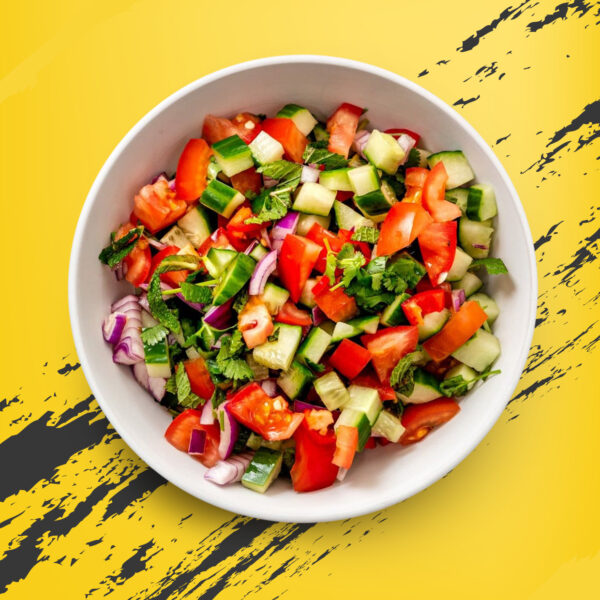
Every day, we make hundreds of decisions without realizing how much our surroundings influence us. One of the strongest influences is color. From the packaging in grocery stores to the walls of restaurants and the presentation of meals on our plates, color affects how we see, smell, expect, and even taste food.
Many people believe that food choices are based only on hunger or personal preference. In reality, psychology, culture, memories, emotions, and visual perception all play important roles. Before we take the first bite, our brain has already formed expectations based on what our eyes see.
Restaurants, food manufacturers, chefs, marketers, and nutrition experts have studied the relationship between color and appetite for many years. They understand that colors can encourage people to eat more, choose healthier foods, stay longer in a restaurant, or even avoid certain meals.
In this comprehensive guide, we explore how colors influence appetite and food choices, how different cultures respond to color, how restaurants use color psychology, and how we can make smarter eating decisions by understanding the science behind visual perception.
The Psychology of Color and Food
Color psychology is the study of how colors influence human thoughts, emotions, and behaviors. Our brains process visual information much faster than words, making color one of the first things we notice when looking at food.
Long before we smell or taste a meal, we evaluate it visually. The appearance of food helps us decide whether it looks fresh, safe, delicious, or appealing.
Throughout history, humans learned to associate certain colors with survival. Bright fruits often indicated ripeness, green plants suggested freshness, while dark or unusual colors sometimes warned of spoilage or danger. Although modern food production has changed dramatically, these natural instincts still influence our choices today.
How the Brain Processes Food Colors
The human brain constantly combines information from our eyes, nose, mouth, and memory.
When we see food, the brain immediately begins asking questions:
- Does this look fresh?
- Have we eaten something similar before?
- Will this taste sweet, salty, sour, or bitter?
- Is this safe to eat?
- Does it remind us of positive memories?
These questions happen almost instantly, often before we consciously think about them.
Visual information creates expectations that influence how we eventually experience the flavor.
Why First Impressions Matter in Food
People often say that we “eat with our eyes first.” This statement is supported by psychology and neuroscience.
When a meal looks attractive:
- Expectations increase.
- Excitement grows.
- Appetite improves.
- Satisfaction often becomes higher.
On the other hand, if food appears dull, messy, or discolored, many people lose interest even if the taste is excellent.
This explains why chefs spend significant time arranging food beautifully before serving it.
How Red Influences Appetite
Red is one of the most powerful colors used in the food industry.
Red Creates Energy and Excitement
Red naturally attracts attention. It is associated with energy, warmth, passion, and excitement.
Many popular foods naturally contain red colors:
- Tomatoes
- Strawberries
- Cherries
- Apples
- Watermelon
- Red peppers
Because these foods are often fresh and flavorful, the brain develops positive associations with the color.
Restaurants Often Use Red
Many restaurants include red in their:
- Logos
- Menus
- Interior design
- Advertising
- Packaging
Red encourages quick decision-making and can stimulate appetite, making it especially popular in fast-food environments.
How Orange Encourages Eating
Orange combines the energy of red with the happiness of yellow.
It is often associated with:
- Comfort
- Warmth
- Freshness
- Friendliness
Foods naturally associated with orange include:
- Oranges
- Pumpkins
- Sweet potatoes
- Carrots
- Mangoes
Orange often creates feelings of comfort, making it an effective color for family-friendly dining environments.
How Yellow Affects Food Choices
Yellow is one of the most noticeable colors to the human eye.
It symbolizes:
- Optimism
- Warmth
- Sunshine
- Happiness
Restaurants frequently use yellow because it creates a cheerful atmosphere.
Yellow may also encourage people to notice food more quickly, especially when combined with red.
The Influence of Green on Healthy Eating
Green has become one of the strongest symbols of healthy eating.
People naturally associate green with:
- Fresh vegetables
- Nature
- Organic farming
- Clean eating
- Sustainability
Green Builds Trust
Many companies selling healthy products use green packaging because consumers associate it with quality and freshness.
Green salads, herbs, avocados, spinach, broccoli, and leafy vegetables reinforce these positive associations.
Even restaurant interiors that include plants and natural green tones often create feelings of relaxation and wellness.
Blue: The Color That May Reduce Appetite
Blue is one of the least common natural food colors.
Because of this, the brain has fewer positive food associations with blue.
Very few naturally blue foods exist.
Examples include:
- Blueberries
- Certain edible flowers
- Blue corn
Some research suggests blue may reduce appetite because humans rarely encountered naturally blue foods throughout evolution.
For this reason, blue is rarely used as the primary color in restaurant interiors.
Purple and Luxury Foods
Purple often represents:
- Luxury
- Creativity
- Quality
- Uniqueness
Foods such as:
- Grapes
- Eggplants
- Purple cabbage
- Plums
- Blackberries
create impressions of richness and sophistication.
Premium food products frequently use deep purple packaging.
White and Simplicity
White communicates:
- Cleanliness
- Purity
- Simplicity
- Freshness
Many fine dining restaurants use white plates because they allow colorful foods to become the center of attention.
White backgrounds also create strong visual contrast, making meals appear brighter and more attractive.
Black and Premium Dining
Black has become increasingly popular in modern restaurants.
It represents:
- Elegance
- Sophistication
- Exclusivity
Black plates can dramatically highlight colorful ingredients.
Luxury restaurants often combine black tableware with carefully presented dishes to create memorable dining experiences.
Brown and Comfort Foods
Brown reminds many people of:
- Bread
- Coffee
- Chocolate
- Grilled meat
- Roasted foods
These associations create feelings of warmth and comfort.
Natural brown colors often suggest rich flavors and traditional cooking methods.
How Plate Color Changes Flavor Perception
Interestingly, the color of the plate can influence how food tastes.
Studies have shown that identical food served on different colored plates may be perceived differently.
For example:
- Desserts often appear sweeter on white plates.
- Bright foods stand out more on dark plates.
- High contrast increases visual appeal.
Presentation influences expectations, which influence overall satisfaction.
The Role of Food Packaging Colors
Packaging strongly influences purchasing decisions.
Consumers often make buying decisions within seconds.
Packaging colors communicate messages such as:
- Healthy
- Organic
- Premium
- Fun
- Natural
- Affordable
For example:
Green packaging often suggests natural products.
Gold may indicate premium quality.
Black frequently communicates luxury.
Bright colors appeal to younger audiences.
How Restaurant Interior Colors Affect Dining Behavior
Restaurant designers carefully choose colors to create specific experiences.
Warm Colors
Warm colors often encourage:
- Social interaction
- Conversation
- Energy
- Faster dining
Cool Colors
Cool colors often encourage:
- Relaxation
- Longer visits
- Calm environments
The choice depends on the restaurant’s concept and target audience.
The Cultural Meaning of Food Colors
Color meanings differ across cultures.
For example:
White symbolizes purity in some countries but mourning in others.
Red represents celebration and prosperity in many Asian cultures.
Green is associated with nature in many parts of the world.
Understanding cultural differences helps restaurants create welcoming dining experiences for diverse customers.
How Children’s Food Choices Are Influenced by Color
Children respond strongly to colorful foods.
Bright fruits and vegetables often become more attractive when presented creatively.
Colorful meals can encourage children to explore healthier foods.
Fun presentation often increases willingness to try unfamiliar ingredients.
Color and Healthy Eating Habits
Nutrition experts often recommend eating a “rainbow” of fruits and vegetables.
Different colors often represent different nutrients.
Red Foods
Often contain antioxidants like lycopene.
Examples:
- Tomatoes
- Watermelon
- Red peppers
Orange and Yellow Foods
Often contain vitamin A and beta-carotene.
Examples:
- Carrots
- Pumpkin
- Mango
Green Foods
Often contain:
- Iron
- Folate
- Vitamin K
Examples:
- Spinach
- Kale
- Broccoli
Purple Foods
Often contain powerful antioxidants.
Examples:
- Blueberries
- Blackberries
- Purple cabbage
Eating colorful foods naturally increases nutritional diversity.
Social Media and Colorful Food Trends
Social media has dramatically increased the importance of colorful food.
People frequently choose meals that are visually attractive enough to photograph and share online.
Restaurants now design dishes that look impressive from every angle.
Bright ingredients, edible flowers, colorful sauces, and artistic plating all contribute to online engagement.
This visual appeal influences customer expectations even before they visit the restaurant.
Marketing Strategies That Use Color Psychology
Successful food businesses carefully select colors for:
- Logos
- Websites
- Menus
- Uniforms
- Packaging
- Advertising
Consistent color choices strengthen brand recognition and influence customer emotions.
The right colors can communicate freshness, excitement, elegance, health, or comfort without using words.
Can Color Change the Way Food Tastes?
Although color does not physically change flavor, it changes expectations.
When expectations change, people often report differences in sweetness, freshness, richness, and overall enjoyment.
This demonstrates the close relationship between psychology and taste perception.
How We Can Make Better Food Choices
Understanding color psychology helps us become more mindful consumers.
Instead of allowing attractive packaging or presentation alone to influence decisions, we can also consider:
- Nutritional value
- Ingredient quality
- Portion size
- Freshness
- Balance
Visual appeal should complement healthy choices rather than replace them.
The Future of Color Psychology in Restaurants
As technology and consumer preferences evolve, restaurants continue exploring new ways to create memorable dining experiences through color.
Future innovations may include:
- Interactive lighting
- Personalized food presentation
- Smart digital menus
- Color-enhanced dining environments
Despite these innovations, one principle remains constant: color will continue to influence how people perceive food long before the first bite.
Conclusion
Color is one of the most powerful influences on appetite and food choices. Before we smell or taste a meal, our eyes send important signals to the brain that shape expectations, emotions, and decisions. From the vibrant red of ripe tomatoes to the calming green of fresh vegetables and the elegant black used in fine dining, every color communicates a message.
Restaurants, chefs, food manufacturers, and marketers understand the importance of color because it influences purchasing decisions, dining experiences, and customer satisfaction. At the same time, consumers who understand color psychology can make more informed choices by looking beyond appearance and considering nutrition, freshness, and quality.
Food is experienced with all the senses, but the journey begins with sight. By understanding how color influences appetite and food choices, we gain a deeper appreciation of the connection between psychology, culture, design, and the meals we enjoy every day.
Beehive Restaurant and Lounge is a vibrant culinary destination in Portland, Oregon, offering a unique blend of authentic African cuisine infused with the sweetness of honey. Whether you’re joining us for a meal or a special celebration, Beehive is your hive of warmth, hospitality, and exceptional culinary delights. Connect with us on social media and join our community to stay updated on our latest offerings and events!