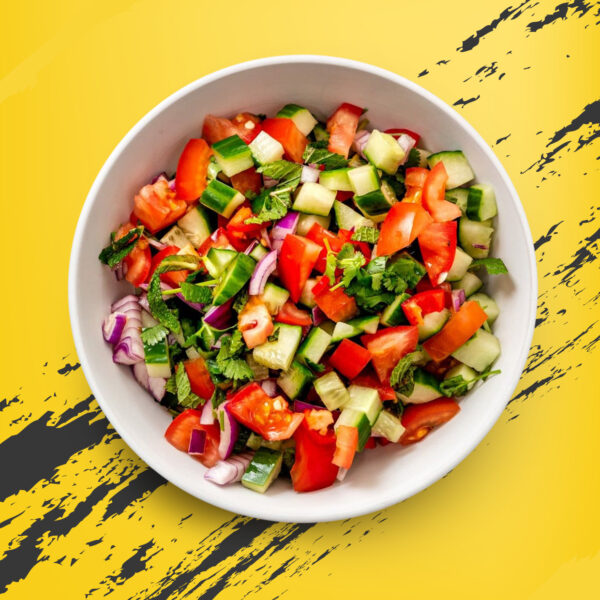
Healthy eating is not about strict diets, staying unrealistically thin, or depriving ourselves of the foods we love. It is about feeling great, having more energy, improving our health, and boosting our mood. Making small, consistent changes to our daily eating habits can have a big impact over time. Here are 10 simple ways to eat healthier every day that anyone can follow.
1. Start Every Morning with a Nutritious Breakfast
Breakfast sets the tone for the entire day. A healthy breakfast fuels our body after a night’s rest and helps maintain energy levels and focus throughout the morning. We should include a balance of complex carbohydrates, protein, and healthy fats.
Examples of healthy breakfasts include:
- Oatmeal with fresh fruits and a sprinkle of nuts
- Whole-grain toast with avocado and boiled eggs
- Greek yogurt with honey and chia seeds
- Smoothies made with spinach, banana, and almond milk
Avoid skipping breakfast, as it can lead to overeating later in the day and slower metabolism.
2. Drink More Water and Stay Hydrated
Water is essential for digestion, energy, and overall health. It helps transport nutrients, removes waste, and maintains body temperature. We should aim to drink at least 8 glasses of water per day, though this varies depending on activity levels and climate.
Here are simple ways to drink more water:
- Start your day with a glass of water before coffee or tea
- Carry a reusable water bottle everywhere
- Add slices of lemon, cucumber, or mint for flavor
- Replace sugary drinks and sodas with sparkling or infused water
Dehydration often feels like hunger, leading to unnecessary snacking. Staying hydrated helps us feel fuller and more energized.
3. Eat More Fruits and Vegetables
Fruits and vegetables are rich in vitamins, minerals, fiber, and antioxidants. They help protect against diseases, improve digestion, and support immune function. We should aim to fill half our plate with fruits and vegetables at every meal.
Tips to include more produce in daily meals:
- Add vegetables to omelets, soups, and sandwiches
- Snack on fresh fruit instead of chips or cookies
- Try smoothies made with greens like spinach or kale
- Roast vegetables for extra flavor and crunch
Eating a variety of colors—green, red, yellow, and purple—ensures we get a wide range of nutrients.
4. Choose Whole Grains Instead of Refined Grains
Whole grains are less processed and contain more fiber, vitamins, and minerals than refined grains. They help control blood sugar, support heart health, and keep us feeling full longer.
Examples of healthy whole grains include:
- Brown rice instead of white rice
- Whole-wheat bread instead of white bread
- Oats, quinoa, barley, and bulgur
Check food labels carefully and look for the word “whole” as the first ingredient. Avoid products labeled “multi-grain” or “enriched,” as they may still be refined.
5. Cut Back on Added Sugars
Too much added sugar increases the risk of obesity, diabetes, and heart disease. It also causes energy crashes and cravings. We should limit sugary drinks, sweets, and processed snacks.
Simple ways to reduce sugar intake:
- Replace soda with sparkling water or herbal tea
- Use fruits to sweeten oatmeal or yogurt
- Read labels for hidden sugars (look for words like “corn syrup,” “maltose,” or “fructose”)
- Choose unsweetened nut butters, cereals, and dairy products
Our taste buds can adjust over time. As we reduce sugar, natural flavors in foods become more enjoyable.
6. Include Lean Proteins in Every Meal
Protein is important for building and repairing body tissues, maintaining muscle mass, and keeping us full longer. We should include a source of lean protein in every meal.
Healthy protein options include:
- Chicken, turkey, or fish
- Eggs or egg whites
- Beans, lentils, and chickpeas
- Tofu and tempeh
- Nuts and seeds in moderation
Avoid deep-fried meats and processed meats like sausages and bacon. Grilling, baking, or steaming are healthier cooking methods.
7. Practice Portion Control
Even healthy foods can lead to weight gain if eaten in large portions. Learning portion sizes helps us enjoy food without overeating.
Useful portion control tips:
- Use smaller plates and bowls to reduce serving size
- Fill half your plate with vegetables, one-quarter with protein, and one-quarter with whole grains
- Eat slowly and stop when you feel satisfied, not stuffed
- Avoid eating directly from packages or bags
Being mindful of portion sizes prevents unnecessary calorie intake and promotes better digestion.
8. Cook More Meals at Home
Cooking at home gives us full control over ingredients, portion sizes, and preparation methods. It’s often healthier and more affordable than eating out.
Tips for healthier home cooking:
- Use olive oil or avocado oil instead of butter
- Grill, steam, or bake instead of frying
- Season with herbs, spices, and citrus instead of excess salt
- Prepare weekly meal plans to avoid last-minute fast food decisions
Cooking at home also builds a positive relationship with food and allows us to experiment with new, healthy recipes.
9. Limit Processed and Packaged Foods
Processed foods are often high in salt, sugar, and unhealthy fats while being low in nutrients. These include instant noodles, chips, canned soups, and frozen meals. We should eat them sparingly and focus on fresh, whole foods.
Better alternatives to processed foods:
- Fresh fruits instead of packaged snacks
- Homemade soups instead of canned ones
- Freshly grilled chicken instead of deli meat
- Whole-grain pasta with homemade sauce instead of ready-made meals
When shopping, focus on foods that come without long ingredient lists and are close to their natural state.
10. Plan Ahead and Be Consistent
Healthy eating becomes easier with preparation. Planning meals ahead of time saves money, reduces stress, and prevents unhealthy last-minute food choices.
Effective meal planning strategies:
- Prepare ingredients in advance (cut veggies, marinate meat, cook grains)
- Pack healthy snacks like nuts, yogurt, or fruits when leaving the house
- Keep healthy staples at home—like whole grains, canned beans, and frozen vegetables
- Write a shopping list and stick to it
Consistency matters more than perfection. Even small, steady improvements lead to long-term benefits.
Bonus Tips for Everyday Healthy Eating
1. Eat Mindfully
Focus on your meal. Avoid distractions like TV or phones. Chew slowly and enjoy each bite. This helps digestion and prevents overeating.
2. Listen to Your Body
Eat when you’re hungry, and stop when you’re full. Learn to differentiate between real hunger and emotional cravings.
3. Get Enough Sleep
Lack of sleep increases cravings for sugary and high-calorie foods. Aim for 7–8 hours of quality sleep each night.
4. Stay Active
Combine healthy eating with regular exercise. Physical activity helps manage weight, improves mood, and enhances metabolism.
5. Reward Progress, Not Perfection
Celebrate small wins. Each healthy choice adds up. Allow occasional treats without guilt—balance is key.
Conclusion
Healthy eating doesn’t mean drastic changes. It’s about making simple, sustainable choices every day. Starting with a nutritious breakfast, drinking more water, eating more fruits and vegetables, and cutting back on sugar can transform our energy, focus, and overall health.
When we plan meals, cook at home, and stay mindful of what we eat, we gain control over our well-being. These ten simple steps are easy to follow, cost-effective, and proven to make a real difference in the way we look, feel, and live.
Healthy eating is not a diet—it’s a lifestyle. Let’s choose wisely today for a stronger, happier, and healthier tomorrow.
Beehive Restaurant and Lounge is a vibrant culinary destination in Portland, Oregon, offering a unique blend of authentic African cuisine infused with the sweetness of honey. Whether you’re joining us for a meal or a special celebration, Beehive is your hive of warmth, hospitality, and exceptional culinary delights. Connect with us on social media and join our community to stay updated on our latest offerings and events!