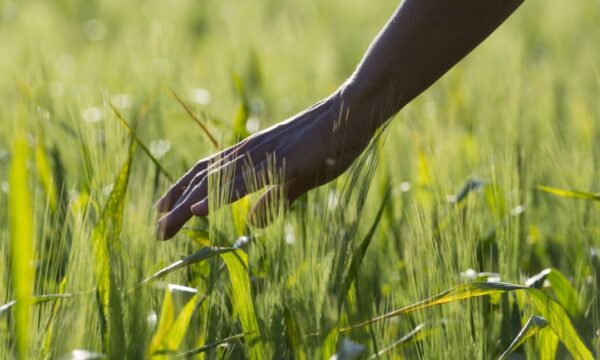
Food is the foundation of human survival, economic stability, and social development. Across the world, governments, communities, and organizations work to ensure people have access to sufficient, safe, and nutritious food. Two key concepts shape this global effort: food security and food sovereignty. While both focus on ensuring people are fed, they differ significantly in approach, control, sustainability, and long-term impact.
Understanding the difference between food security and food sovereignty allows us to see how food systems operate, who controls them, and how communities can protect their future.
What Is Food Security? A System Focused on Access and Availability
Definition of Food Security
Food security exists when all people, at all times, have physical, social, and economic access to sufficient, safe, and nutritious food that meets their dietary needs for an active and healthy life.
Food security focuses on ensuring that:
- Food is available
- Food is accessible
- Food is affordable
- Food is sufficient in quantity and quality
This concept emphasizes results: people must have enough food to survive and thrive.
The Four Pillars of Food Security
Food security operates on four essential pillars that determine whether populations are properly fed.
1. Food Availability
Food must be physically present. This includes:
- Agricultural production
- Food imports
- Food storage systems
- Distribution networks
Availability ensures that food exists within a country or region.
2. Food Access
People must have the ability to obtain food. Access depends on:
- Income levels
- Employment opportunities
- Food prices
- Infrastructure
Even if food exists, people without income cannot access it.
3. Food Utilization
Food must provide proper nutrition. Utilization depends on:
- Food quality
- Clean water
- Health conditions
- Knowledge of nutrition
Proper utilization ensures food supports health and development.
4. Food Stability
Food must remain available and accessible over time. Stability protects against:
- Economic crises
- Climate disasters
- Conflict
- Supply disruptions
Stability ensures consistent food access without interruption.
Global Strategies Used to Achieve Food Security
Governments and institutions use several strategies to improve food security:
- Increasing agricultural production
- Importing food from other countries
- Providing food aid and assistance
- Supporting food distribution systems
- Subsidizing staple foods
These measures focus on ensuring food reaches people, regardless of where it comes from.
What Is Food Sovereignty? A System Focused on Control and Rights
Definition of Food Sovereignty
Food sovereignty is the right of people to control their own food systems, including how food is produced, distributed, and consumed. It prioritizes local farmers, traditional knowledge, cultural food practices, and sustainable agriculture.
Food sovereignty focuses on power, control, and independence.
It ensures communities decide:
- What food they grow
- How food is grown
- Who produces the food
- How food is distributed
This concept protects local food systems from external control.
Core Principles of Food Sovereignty
Food sovereignty operates on several essential principles.
1. Local Control of Food Systems
Communities control their own food production instead of relying on foreign imports or corporations.
2. Support for Small-Scale Farmers
Small farmers, not large corporations, form the backbone of food sovereignty.
This protects livelihoods and strengthens rural economies.
3. Protection of Traditional Knowledge
Indigenous farming knowledge, seeds, and practices are preserved and respected.
4. Sustainable and Ecological Farming
Food sovereignty promotes farming methods that protect:
- Soil health
- Water resources
- Biodiversity
This ensures long-term food production.
5. Cultural and Dietary Independence
Communities maintain traditional diets and cultural food identity.
Key Differences Between Food Security and Food Sovereignty
Focus: Access vs Control
Food security focuses on access to food, regardless of source.
Food sovereignty focuses on control over food production and systems.
Food security answers the question:
Do people have enough food?
Food sovereignty answers the question:
Who controls the food system?
Source of Food: Global vs Local
Food security allows food to come from anywhere, including imports and international aid.
Food sovereignty prioritizes locally produced food and local farmers.
This reduces dependency on external sources.
Short-Term vs Long-Term Approach
Food security often provides immediate solutions, such as food aid and imports.
Food sovereignty focuses on long-term sustainability by building local capacity.
Power and Decision-Making
Food security does not necessarily change who controls food systems.
Food sovereignty ensures communities have authority over their food.
Why Food Security Alone Is Not Enough
Food security ensures food availability but may not guarantee sustainability or independence.
Countries may depend heavily on imports to remain food secure.
This creates vulnerabilities such as:
- Price increases
- Supply chain disruptions
- Political instability
- Global shortages
Dependence on external sources reduces national resilience.
Why Food Sovereignty Strengthens Long-Term Stability
Food sovereignty builds strong, independent food systems.
It ensures countries produce their own food and reduce reliance on imports.
This strengthens:
- Economic independence
- Rural employment
- National resilience
- Cultural preservation
Local production protects nations from global disruptions.
The Role of Farmers in Food Security and Food Sovereignty
Farmers are central to both concepts.
Under food security systems, farmers focus on maximizing production.
Under food sovereignty systems, farmers control production, seeds, and distribution.
Food sovereignty empowers farmers to:
- Preserve traditional seeds
- Maintain biodiversity
- Use sustainable farming methods
This protects future food supply.
Economic Impact of Food Security and Food Sovereignty
Food security often relies on global markets and imports.
This can weaken local agricultural economies.
Food sovereignty strengthens local economies by:
- Supporting local farmers
- Creating jobs
- Increasing local income
- Reducing foreign dependency
Strong local agriculture strengthens national economies.
Environmental Impact of Both Systems
Food security systems sometimes rely on industrial agriculture, which may harm the environment.
This includes:
- Soil degradation
- Water pollution
- Biodiversity loss
Food sovereignty promotes sustainable practices that protect natural resources.
Healthy ecosystems ensure future food production.
Food Sovereignty and Climate Change Resilience
Climate change disrupts global food supply chains.
Food sovereignty builds local resilience.
Local food systems adapt faster to environmental changes.
Traditional farming methods often use fewer external inputs and conserve resources.
This strengthens long-term sustainability.
Examples of Food Security and Food Sovereignty in Practice
Food Security Example
A country imports large quantities of grain to feed its population.
People have enough food, but the country depends on foreign suppliers.
This is food security without sovereignty.
Food Sovereignty Example
A country invests in local farming, supports farmers, and produces its own staple foods.
The population eats locally grown food.
This is both food security and food sovereignty.
The Future of Global Food Systems
The future of food systems depends on balancing both food security and food sovereignty.
Food security ensures people do not go hungry.
Food sovereignty ensures long-term independence and sustainability.
Countries increasingly invest in strengthening local food systems.
This protects populations from global disruptions.
Why Understanding the Difference Matters
Understanding food security and food sovereignty allows us to see how food systems shape:
- National independence
- Economic stability
- Public health
- Environmental sustainability
Communities with food sovereignty control their future.
They protect their culture, economy, and survival.
Conclusion: Building Strong and Sustainable Food Systems
Food security ensures access to food. Food sovereignty ensures control over food systems.
Both play important roles in feeding populations.
Food security provides immediate access.
Food sovereignty provides long-term strength and independence.
Together, they create resilient, sustainable, and secure food systems for present and future generations.
Strong food systems protect nations, empower communities, and ensure survival in an uncertain world.
Beehive Restaurant and Lounge is a vibrant culinary destination in Portland, Oregon, offering a unique blend of authentic African cuisine infused with the sweetness of honey. Whether you’re joining us for a meal or a special celebration, Beehive is your hive of warmth, hospitality, and exceptional culinary delights. Connect with us on social media and join our community to stay updated on our latest offerings and events!