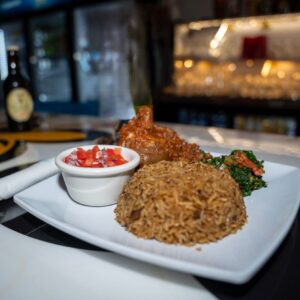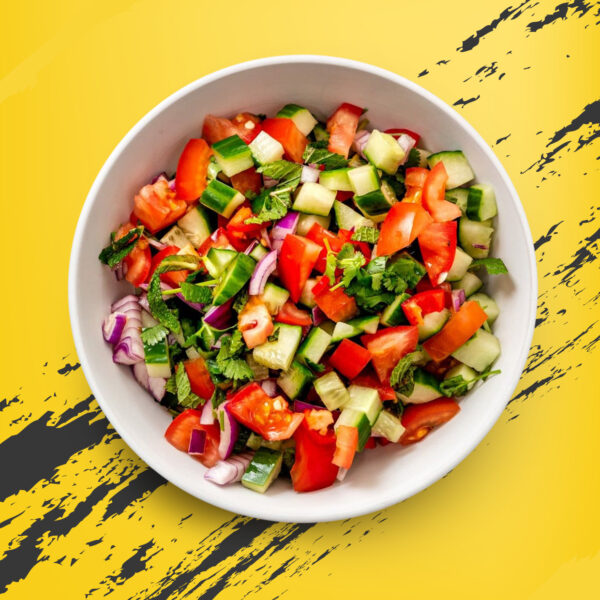
The saying “Eat breakfast like a king, lunch like a prince, and dinner like a pauper” has been passed down for generations. But in a world where diets, fasting routines, and busy lifestyles dominate, many wonder: should we really eat a heavy breakfast to start the day? In this article, we explore the science, cultural traditions, and expert advice on meal timing and why breakfast may or may not deserve the royal title it has long been given.
The History of Breakfast as the Day’s Main Meal
Breakfast has not always been considered the most important meal of the day. In ancient cultures, many people skipped morning meals altogether. For example:
- Romans typically ate one main meal a day in the late afternoon.
- Medieval Europe saw breakfast as a meal for laborers and children, while the wealthy often delayed eating until midday.
- The idea of breakfast as a large and important meal became popular in the 19th and 20th centuries, especially with the rise of breakfast cereals and industrial work schedules.
The phrase “eat breakfast like a king” became widely known because it promoted the idea that starting the day with a large meal gives the body energy for daily activities.
The Role of Meal Timing in Health
Meal timing is about more than what we eat—it is also about when we eat. Scientists have found that eating patterns affect metabolism, weight control, and energy levels.
- Eating earlier in the day helps align food intake with our circadian rhythm (the body’s natural clock).
- Studies show that calories consumed in the morning are more likely to be burned as energy, while calories consumed late at night are more likely stored as fat.
- People who eat most of their calories earlier in the day often experience better digestion, stable blood sugar, and improved focus.
This explains why breakfast has long been considered vital, but the story is more complex.
Breakfast and Energy Levels
A well-balanced breakfast can:
- Boost concentration and alertness in the morning.
- Provide steady blood sugar control, preventing energy crashes.
- Supply essential nutrients like fiber, protein, and vitamins that may be missed if breakfast is skipped.
However, not all breakfasts are equal. A meal high in sugar, such as sweet pastries or sugary cereals, can cause quick spikes and drops in energy. A kingly breakfast should include:
- Protein: eggs, Greek yogurt, beans, or lean meat.
- Healthy fats: nuts, seeds, avocado, olive oil.
- Complex carbohydrates: whole grains, oats, fruits, or vegetables.
The Science of Eating Big in the Morning
Eating a larger breakfast and smaller dinner is linked with many benefits:
- Weight Management: Research shows that people who eat bigger breakfasts often consume fewer calories throughout the day and feel less hungry at night.
- Blood Sugar Balance: A protein-rich breakfast helps stabilize insulin response, reducing the risk of diabetes.
- Better Heart Health: Studies reveal that skipping breakfast is linked with higher cholesterol and higher risk of heart disease.
- Improved Metabolism: Eating in the morning “wakes up” the body’s metabolism, helping burn calories efficiently.
Is Skipping Breakfast Always Bad?
Not everyone agrees that breakfast must be the biggest meal. With the popularity of intermittent fasting, some people choose to skip breakfast and eat their first meal at midday. Research shows:
- For some, skipping breakfast helps with weight loss by reducing total daily calorie intake.
- Fasting can improve insulin sensitivity and promote fat burning.
- However, skipping breakfast is not ideal for children, teenagers, or people with high physical activity needs.
This means eating breakfast like a king is beneficial for many but not mandatory for all.
Cultural Views on Breakfast Around the World
Different cultures approach breakfast in unique ways:
- Japan: Breakfast is often a full meal with rice, fish, miso soup, and vegetables.
- Kenya & Tanzania: Tea with bread, chapati, or mandazi is common, sometimes with beans or eggs.
- England: The traditional full English breakfast includes eggs, bacon, sausages, beans, and toast.
- Mediterranean countries: Breakfast is lighter, often bread, cheese, olives, and fruit.
This shows there is no universal “right way” to eat breakfast—it depends on lifestyle, culture, and personal health.
The Role of Lunch and Dinner in Meal Timing
If breakfast is heavy, lunch and dinner should be lighter to maintain balance. The common recommendation is:
- Lunch like a prince: A moderate meal with lean protein, whole grains, and vegetables.
- Dinner like a pauper: A small meal, focusing on light proteins and vegetables, avoiding heavy carbs late at night.
Eating a late, heavy dinner often leads to poor sleep, indigestion, and weight gain.
Practical Tips for Eating Breakfast Like a King
If you want to follow the principle of eating a large breakfast, here are strategies:
- Plan Ahead: Prepare overnight oats, boiled eggs, or smoothie ingredients the night before.
- Balance Macronutrients: Include protein, carbs, and fats. For example: scrambled eggs with spinach, whole grain toast, and avocado.
- Avoid Sugar Overload: Replace sweet pastries with fruit, yogurt, or whole grain options.
- Hydrate First: Drink a glass of water before breakfast to aid digestion.
- Listen to Your Body: If you are not hungry in the morning, start with a light meal and gradually increase portion size.
Sample “Kingly” Breakfast Ideas
Here are nutritious options:
- Oatmeal Bowl: Rolled oats with nuts, seeds, berries, and honey.
- Protein Plate: Scrambled eggs, avocado toast, and sautéed vegetables.
- Smoothie Power Drink: Banana, spinach, protein powder, peanut butter, and almond milk.
- African Inspired: Ugali with sukuma wiki and boiled eggs.
- Mediterranean Style: Hummus, olives, boiled egg, tomatoes, and whole grain pita.
Who Should Not Eat a Heavy Breakfast?
Although breakfast is beneficial, not everyone needs a large one. People who may avoid heavy breakfasts include:
- Those who practice intermittent fasting.
- Individuals with certain digestive problems (such as acid reflux).
- People whose work schedules or cultural traditions do not align with morning meals.
The key is to adapt meal timing to your personal health, lifestyle, and body signals.
Final Thoughts: Should You Eat Breakfast Like a King?
The answer depends on your health goals and lifestyle. Science supports the idea that eating a hearty breakfast can improve metabolism, support weight management, and give energy for the day. But it is not the only way to stay healthy.
Eating breakfast like a king works best for:
- People with active jobs.
- Children and students.
- Those trying to manage weight.
- People who prefer eating earlier in the day.
For others, a lighter breakfast or skipping it altogether may also work. The most important factor is to maintain a balanced diet, avoid overeating at night, and respect your body’s natural hunger signals.
Beehive Restaurant and Lounge is a vibrant culinary destination in Portland, Oregon, offering a unique blend of authentic African cuisine infused with the sweetness of honey. Whether you’re joining us for a meal or a special celebration, Beehive is your hive of warmth, hospitality, and exceptional culinary delights. Connect with us on social media and join our community to stay updated on our latest offerings and events!