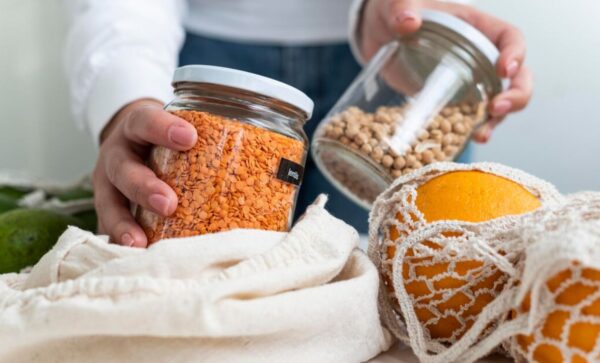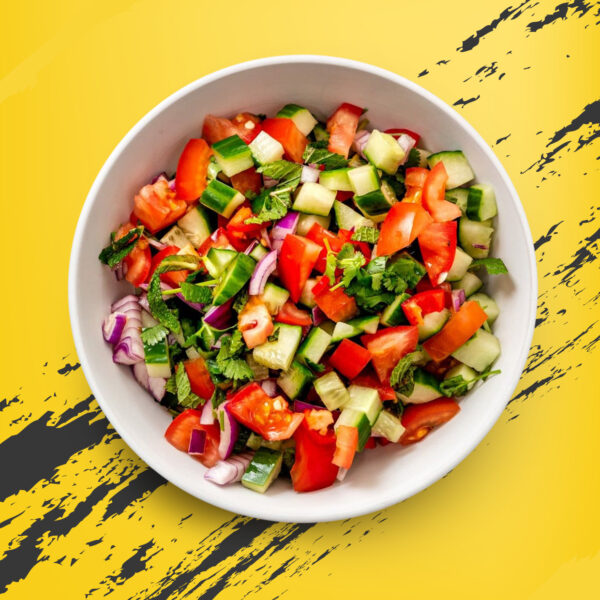
Smart grocery shopping is not just about buying the cheapest products on the shelves. It is about making informed choices that help us save money, reduce food waste, and maintain a balanced and healthy diet. When we shop intelligently, we benefit physically, financially, and environmentally. In this comprehensive guide, we explore proven strategies that allow us to stretch our budgets while still eating nutritious and delicious meals at home.
Understanding How to Make a Grocery Budget Work for Us
Creating a grocery budget is the foundation of smart shopping. A well-planned budget gives us control and stops us from buying impulsively. When we budget, we prioritize foods that provide value, versatility, and long-lasting nourishment.
Track Your Spending Patterns
To build an effective budget, we must first know how much we spend. We can track spending by keeping receipts, using budgeting apps, or recording expenses weekly. When we see patterns in our purchases, we identify areas to adjust, such as reducing snacks, processed foods, or overpriced convenience items.
Set a Weekly or Monthly Spending Limit
A specific limit helps us control food costs. This limit should include everyday essentials, fresh produce, pantry staples, and occasional treats. When we have a defined limit, we avoid overspending and become more intentional in selecting items that serve our health and financial goals.
Meal Planning: The Secret to Saving Money and Eating Better
Meal planning is one of the most effective strategies for balancing nutrition and affordability. It reduces stress, waste, and last-minute decisions that often lead to expensive takeout meals.
Plan Meals Based on What We Already Have
Before making a shopping list, we should look in our kitchen. Items stored in our pantry, fridge, and freezer provide the starting point for meal ideas. This prevents duplicate purchases and ensures that ingredients are used before they expire.
Use Theme Nights to Simplify Planning
We can create weekly themes such as:
- Meatless Mondays
- Taco Tuesdays
- Pasta Night
- Soup and Salad Sunday
Themes reduce decision fatigue and allow us to reuse ingredients across multiple meals.
Cook Once, Eat Twice
Batch cooking transforms grocery shopping into long-term savings. Large meals like stews, casseroles, roasted vegetables, or grilled chicken can be used for lunches or dinners throughout the week. It saves time, fuel, and prevents unplanned purchases.
The Power of a Grocery List
Shopping with a list prevents impulse buying, reduces time spent in stores, and keeps us focused on nutritious items.
How to Make a Smart Grocery List
A strong list includes:
- Proteins (eggs, beans, fish, poultry, lentils)
- Healthy fats (olive oil, nuts, seeds, avocado)
- Whole grains (brown rice, oats, quinoa, whole wheat pasta)
- Fruits & vegetables
- Pantry essentials (spices, stock, canned goods)
- Household basics
Lists also help prevent food waste. When we know exactly what meals we will prepare, we buy only what we need.
Choosing Affordable and Nutritious Foods
Healthy eating does not have to be expensive. With strategic choices, we can fill our carts with nutrient-rich foods that are gentle on our wallets.
Prioritize Whole Foods Over Processed Foods
Whole foods often provide more nutrients at lower cost. Items like beans, potatoes, rice, oats, fresh produce, and frozen vegetables offer excellent nutritional value and versatility in cooking.
In contrast, processed foods usually cost more and offer fewer nutrients per serving.
Buy Seasonal Produce
Seasonal fruits and vegetables are fresher, tastier, and cheaper. For example:
- Rainy season: leafy greens, root vegetables
- Warm season: berries, melons, tomatoes, cucumbers
When produce is out of season, frozen options are an excellent alternative because they retain nutritional value and are often more affordable than fresh imports.
Use Grains and Legumes as Budget-Friendly Protein Sources
Foods like chickpeas, lentils, black beans, and split peas are rich in protein, fiber, and minerals. They cost significantly less than meat and have long shelf lives.
Understanding Unit Price and Value Comparison
Unit pricing allows us to compare items in a fair and accurate way. For example, a 1kg bag of rice might be cheaper per gram than a smaller 500g bag, even if the total price is higher.
How to Use Unit Price for Smarter Decisions
When comparing products, we should consider:
- Price per kilogram or gram
- Price per liter or milliliter
- Price per serving
- Price per meal
This helps us identify products that offer more value.
Avoiding Impulse Purchases and Marketing Traps
Supermarkets are designed to influence our decisions. Items placed at eye level, near checkout counters, or in promotional bins often push us to buy more than we need.
Shop When We Are Not Hungry
Hunger leads to cravings, and cravings lead to impulsive purchases. Shopping with a full stomach helps us stick to our lists.
Compare Brands and Packaging
Store-brand products can offer the same quality as famous brands at lower prices. Buying products in larger quantities may also reduce long-term costs, especially for items with long shelf life such as rice, pasta, or canned goods.
Shopping Smart Online
Online grocery shopping is gaining popularity. It allows us to compare prices and avoid crowd-related impulse buying.
Benefits of Online Grocery Shopping
- Easier comparison between brands
- No temptation from in-store displays
- Ability to track total cost in real time
- Saves time and fuel
Online platforms sometimes offer discounts and coupons not available in physical stores.
Using Sales, Discounts and Coupons Wisely
Discounts are useful only when they apply to items we already use and need.
Know the Difference Between a Deal and a Trap
A large discount can tempt us to buy products we will not actually consume. Buying a discounted item that later goes to waste is not savings. We should apply discounts to:
- Bulk pantry staples
- Frozen foods
- Household products
- Foods we cook regularly
Coupons and loyalty programs can significantly reduce grocery bills when used thoughtfully.
Reducing Food Waste to Maximize Grocery Spending
Food waste is a hidden expense. When we throw away spoiled or unused food, we lose money we have already spent.
Store Food Properly
Different foods require different storage methods. For example:
- Carrots and celery last longer in airtight containers
- Herbs last longer wrapped in paper towels
- Bread stays fresh longer when frozen and toasted later
Learning simple storage techniques extends shelf life and prevents spoilage.
Use Leftovers Creatively
Leftovers can become:
- Fried rice dishes
- Sandwiches or wraps
- Soups and stews
- Breakfast scrambles
- Salads or grain bowls
We can also freeze sauces, cooked meats, and broth for future meals.
Shopping in Different Sections of the Store
Produce Section
Focus on vegetables and fruits that offer high nutritional value and versatility. Items like carrots, onions, apples, bananas, and leafy greens are typically affordable and adaptable in many dishes.
Pantry Section
Pantry staples such as rice, pasta, canned tomatoes, beans, oats, tuna, spices, and nuts help us prepare multiple meals without frequent store visits.
Frozen Section
Frozen fruits and vegetables are excellent for smoothies, soups, and stir-fries. They remain nutritious, affordable, and convenient.
Dairy and Alternatives
Milk, yogurt, eggs, and plant-based alternatives offer protein and essential nutrients at manageable prices.
Choosing Healthy Convenience Foods
Some convenience foods are expensive and unhealthy. However, there are cost-friendly options like:
- Canned beans
- Pre-cut frozen vegetables
- Rotisserie chicken (for multiple meals)
- Canned fish
- Tomato paste
These options save time without compromising health or budget.
Eating Healthy on a Budget: Practical Examples
Affordable Breakfast Ideas
- Oatmeal with fruit and seeds
- Eggs with vegetables
- Smoothies using frozen fruit
- Whole grain toast with peanut butter
Low-Cost Lunch Ideas
- Rice bowls with vegetables and beans
- Lentil soup
- Chicken salad wraps
- Pasta with tomato sauce and vegetables
Budget-Friendly Dinner Ideas
- Stir-fries with seasonal vegetables
- Stews with grains and legumes
- Whole roasted chicken with sides
- Meatless curry with rice
Shopping More Sustainably and Ethically
Sustainability goes hand in hand with smart budgeting. When we buy foods that last longer, produce less waste, and come from ethical sources, we contribute to a healthier planet.
Choose Local When Possible
Local products travel less distance, preserving freshness and flavor while supporting local farmers and reducing environmental impact.
Conclusion
Smart grocery shopping is a skill that improves over time. When we plan meals, stick to a budget, purchase whole foods, compare unit prices, and avoid marketing traps, we transform our eating habits and financial health. With intentional shopping, we can enjoy nutritious meals every day without overspending.
We gain more control, reduce waste, and support long-term wellness. Smart grocery shopping helps us eat better, live better, and save more—one basket at a time.
Beehive Restaurant and Lounge is a vibrant culinary destination in Portland, Oregon, offering a unique blend of authentic African cuisine infused with the sweetness of honey. Whether you’re joining us for a meal or a special celebration, Beehive is your hive of warmth, hospitality, and exceptional culinary delights. Connect with us on social media and join our community to stay updated on our latest offerings and events!