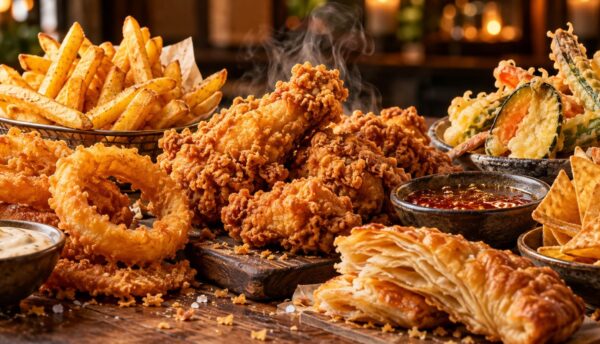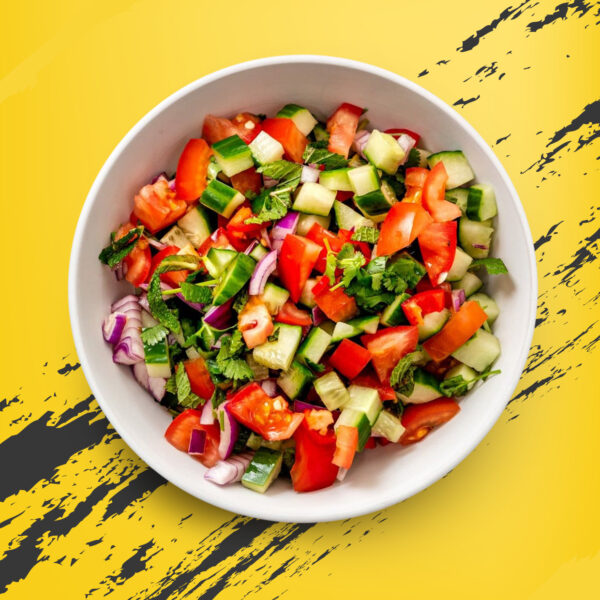
Cheap food may seem like a financial blessing. A fast-food combo meal, discounted grocery items, highly processed snacks, and mass-produced products often appear affordable and convenient. For families trying to manage rising living costs, low-priced food can feel like the easiest option. However, the price tag we see in stores and restaurants rarely tells the full story.
Behind cheap food lies a much larger cost that affects human health, the environment, farmers, workers, local economies, and future generations. While consumers may save money at checkout, society often pays far more through healthcare costs, environmental damage, poor labor conditions, and declining food quality.
We must understand that cheap food is not truly cheap. Someone, somewhere, is paying the hidden price.
What Makes Food So Cheap?
Low-cost food becomes possible through systems designed to reduce production expenses at every stage.
These systems often include:
- Mass production farming
- Heavy use of chemical fertilizers
- Low-paid labor
- Factory farming practices
- Artificial additives
- Bulk transportation systems
- Government subsidies on certain crops
- Cheap packaging materials
- Aggressive cost-cutting measures
Large food corporations focus heavily on efficiency and profit margins. They produce food quickly and cheaply to meet consumer demand for affordability and convenience.
While this model creates low retail prices, it often transfers hidden costs elsewhere.
The Hidden Health Costs of Cheap Food
Highly Processed Foods and Chronic Diseases
Cheap food often contains:
- Excess sugar
- Excess sodium
- Artificial preservatives
- Low-quality oils
- Artificial coloring
- Refined carbohydrates
These ingredients improve shelf life and reduce production costs, but they can harm long-term health.
Regular consumption increases the risk of:
- Obesity
- Type 2 diabetes
- Heart disease
- High blood pressure
- Digestive disorders
- Certain cancers
Many low-cost meals prioritize affordability over nutritional value.
Nutrient Deficiency Despite Full Plates
Cheap food often fills people up without properly nourishing them.
For example:
- Instant noodles may contain calories but very little nutrition
- Sugary cereals may provide energy but little protein
- Fast food meals often lack fiber, vitamins, and minerals
This leads to hidden hunger, where people consume enough calories but remain nutritionally deficient.
Rising Healthcare Costs
Poor diets contribute to expensive medical treatments.
Governments and families spend billions every year managing preventable illnesses caused by poor nutrition.
Healthcare systems face growing pressure because cheap unhealthy food contributes to long-term medical problems.
The Environmental Cost of Cheap Food
Soil Degradation
Industrial farming often focuses on producing large quantities quickly.
This can lead to:
- Soil nutrient depletion
- Erosion
- Reduced fertility
- Long-term land damage
Healthy soil takes years to rebuild once destroyed.
Water Pollution
Chemical fertilizers and pesticides often wash into rivers, lakes, and groundwater systems.
This pollution harms:
- Drinking water supplies
- Aquatic life
- Farming communities
- Entire ecosystems
The cost of cleaning polluted water is extremely high.
Deforestation
Large-scale food production often clears forests for:
- Cattle farming
- Palm oil plantations
- Soy production
- Large monocrop farms
Deforestation destroys biodiversity and increases climate change risks.
Greenhouse Gas Emissions
Cheap food often travels long distances before reaching consumers.
Transportation, refrigeration, packaging, and industrial farming contribute significantly to carbon emissions.
Factory farming also produces large amounts of methane gas.
The Human Cost of Cheap Food
Low Wages for Farm Workers
Many agricultural workers earn extremely low wages despite performing difficult labor.
Workers may face:
- Unsafe working conditions
- Long working hours
- Lack of healthcare benefits
- Poor housing conditions
Cheap food often depends on underpaid labor.
Child Labor in Some Supply Chains
Some global food industries have faced criticism for child labor practices.
This has been reported in sectors involving:
- Cocoa
- Coffee
- Seafood
- Sugar production
Consumers often do not realize the human suffering behind extremely cheap products.
Factory Farm Animal Welfare Issues
Low-cost meat production often relies on intensive animal farming systems.
Animals may face:
- Overcrowding
- Poor sanitation
- Stressful environments
- Inhumane treatment
The pursuit of lower meat prices often sacrifices animal welfare.
The Economic Cost of Cheap Food
Hurting Local Farmers
Large corporations can sell products at prices small farmers cannot compete with.
This leads to:
- Farm closures
- Rural unemployment
- Loss of local food systems
- Reduced agricultural diversity
Small farmers struggle when consumers prioritize the lowest prices.
Dependence on Imported Foods
Many countries import cheaper processed food instead of supporting local agriculture.
This weakens domestic food security and increases vulnerability during global supply disruptions.
The Cost of Food Waste
Cheap food often encourages waste because consumers may value it less.
Restaurants, supermarkets, and households throw away massive amounts of food every year.
Food waste leads to:
- Lost money
- Environmental damage
- Increased landfill waste
- Methane emissions
Millions go hungry while edible food is wasted daily.
The Psychological Cost of Cheap Food
Cheap convenience foods often encourage unhealthy eating habits.
People may become dependent on:
- Fast food
- Sugary snacks
- Instant meals
- Processed beverages
This creates unhealthy relationships with food and reduces cooking skills across generations.
How Marketing Makes Cheap Food More Attractive
Food companies spend billions advertising low-cost convenience meals.
Marketing often promotes:
- Value meals
- Buy one get one offers
- Large portions
- Instant convenience
Consumers may believe they are saving money while ignoring long-term costs.
Cheap Food and Global Food Inequality
While wealthy nations often overconsume cheap processed food, many developing nations struggle with food insecurity.
This creates a global imbalance where food systems prioritize profit over fairness.
Large portions of agricultural land are used for export crops rather than feeding local communities.
The Rise of Ultra-Processed Foods
Ultra-processed foods are among the biggest contributors to hidden costs.
Examples include:
- Frozen dinners
- Sugary beverages
- Packaged snacks
- Fast-food meals
- Artificial desserts
These foods often dominate low-income communities because they are affordable and accessible.
Can Affordable Food Also Be Healthy?
Yes.
Affordable food does not need to be harmful.
Budget-friendly healthy options include:
- Beans
- Lentils
- Rice
- Seasonal vegetables
- Local fruits
- Eggs
- Whole grains
- Traditional foods
Smart food choices can balance affordability and nutrition.
How Consumers Can Reduce the Hidden Cost of Cheap Food
Buy Local When Possible
Supporting local farmers strengthens communities and reduces transportation emissions.
Cook More Meals at Home
Home-cooked meals often cost less than regular restaurant meals and provide better nutrition.
Read Ingredient Labels
Understanding ingredients helps consumers avoid harmful additives.
Reduce Food Waste
Plan meals carefully and store food properly.
Choose Quality Over Quantity
Sometimes paying slightly more for healthier food saves larger healthcare costs later.
How Governments Can Help
Governments can reduce hidden food costs by:
- Supporting sustainable farming
- Regulating harmful food ingredients
- Protecting farm workers
- Promoting nutrition education
- Reducing food waste programs
Policy decisions play a major role in creating healthier food systems.
The Future of Food Pricing
Consumers are becoming more aware of sustainability and ethical sourcing.
Future food systems may prioritize:
- Transparency
- Fair wages
- Sustainable farming
- Better nutrition
- Local food production
This shift could create healthier and more responsible food markets.
Final Thoughts on the Hidden Cost of Cheap Food
Cheap food may save a few dollars today, but the long-term consequences can be expensive for our health, environment, workers, and economies.
When we choose food, we are not only buying calories. We are supporting a larger system that affects millions of lives.
The real question is not whether food is cheap.
The real question is: who is paying the hidden cost?
Making smarter food choices today helps create healthier families, stronger communities, and a better future for everyone.
Beehive Restaurant and Lounge is a vibrant culinary destination in Portland, Oregon, offering a unique blend of authentic African cuisine infused with the sweetness of honey. Whether you’re joining us for a meal or a special celebration, Beehive is your hive of warmth, hospitality, and exceptional culinary delights. Connect with us on social media and join our community to stay updated on our latest offerings and events!