Cravings are powerful feelings that push us to desire specific foods, often in ways that feel irresistible. Whether it is a sudden urge for chocolate late at night, a salty snack during work, or a sweet dessert after dinner, cravings affect us all. Understanding the science behind cravings can help us take control of what we eat and make healthier choices without feeling deprived.
What Are Food Cravings?
Food cravings are intense desires for specific foods that are different from normal hunger. Hunger is the body’s signal that it needs fuel for energy, while cravings are linked to the brain, emotions, and environment.
- Hunger can be satisfied with any food.
- Cravings usually focus on a particular taste or texture, such as chocolate, chips, pizza, or ice cream.
The Brain and Cravings: A Reward System
Our brain plays the biggest role in cravings. When we eat certain foods, especially those high in sugar, fat, or salt, the brain releases dopamine, a chemical linked to pleasure and reward.
- Sugar cravings: Sweet foods activate dopamine quickly, creating feelings of happiness and energy.
- Fat cravings: High-fat foods stimulate the brain’s reward centers, giving comfort and satisfaction.
- Salt cravings: Salt regulates fluid balance, and the brain sometimes signals a need for it, especially if we are dehydrated.
Over time, the brain learns to associate emotions with certain foods, making cravings stronger and harder to resist.
Hormones and Cravings
Hormones influence appetite and food choices. The main ones include:
- Ghrelin: Known as the hunger hormone, it increases appetite and can trigger cravings.
- Leptin: Signals fullness, but resistance to leptin can lead to overeating.
- Insulin: Regulates blood sugar. When blood sugar drops, cravings for sweet or starchy foods increase.
- Cortisol: The stress hormone. High cortisol levels make us crave comfort foods rich in fat and sugar.
This is why stress often leads to emotional eating.
Emotional Eating and Comfort Foods
Cravings are often tied to emotions. Stress, sadness, boredom, or even happiness can trigger the desire for certain foods.
- Stress cravings: People often reach for chocolate, fried foods, or pizza because they give quick energy and comfort.
- Sadness cravings: Sweet foods like ice cream and cakes boost serotonin, a chemical that improves mood.
- Boredom cravings: Snacking out of boredom gives stimulation, not true hunger relief.
Comfort foods are not always unhealthy. For some, a warm soup or a traditional family dish can also satisfy emotional needs.
The Role of the Environment
External cues often spark cravings:
- Advertising: Seeing an ad for pizza or burgers can trigger cravings even if we are not hungry.
- Smells: The aroma of freshly baked bread or coffee can awaken desire.
- Social settings: Parties, family gatherings, and cultural events encourage us to eat more, often foods we do not usually crave.
Our surroundings play a big role in shaping what we want.
Why Do We Crave Certain Foods?
Different foods satisfy different biological and emotional needs:
- Chocolate: Contains compounds that release serotonin and phenylethylamine, chemicals that mimic feelings of love and happiness.
- Salty snacks: Help balance minerals and electrolytes in the body.
- Spicy foods: Trigger endorphins, natural chemicals that reduce pain and create excitement.
- Carbohydrates: Increase serotonin, leading to a calming effect.
These biological reactions explain why cravings can feel so specific.
Cultural Influence on Cravings
Culture also shapes cravings. In Western countries, people often crave sweets like chocolate or donuts. In Asian cultures, savory snacks like noodles or dumplings are common. Cultural exposure determines what foods become our comfort choices.
Cravings vs. Nutrient Deficiencies
Sometimes cravings may signal a deficiency:
- Chocolate cravings may indicate low magnesium.
- Salt cravings can point to dehydration or low sodium levels.
- Meat cravings may be linked to low iron or protein.
However, most cravings are not about deficiencies but about the brain seeking pleasure.
The Psychology of Cravings
Cravings are not just physical but also psychological:
- Memory association: If you ate cake every birthday, your brain links cake to celebration.
- Reward learning: Eating chips while watching TV creates a routine where TV triggers chip cravings.
- Stress relief: Food becomes a coping mechanism, creating a cycle of stress and eating.
How to Manage Cravings
We cannot eliminate cravings, but we can manage them:
1. Drink Water
Sometimes thirst is mistaken for hunger. Drinking water may reduce cravings.
2. Eat Balanced Meals
Meals rich in protein, fiber, and healthy fats keep blood sugar stable and reduce cravings.
3. Sleep Well
Lack of sleep increases ghrelin and reduces leptin, making cravings stronger.
4. Manage Stress
Exercise, meditation, and deep breathing reduce cortisol and lower stress-related cravings.
5. Avoid Triggers
Do not keep highly craved foods at home. Out of sight, out of mind.
6. Practice Mindful Eating
Pay attention to what you eat, chew slowly, and enjoy the flavors. This reduces mindless snacking.
7. Healthy Swaps
Replace unhealthy cravings with healthier versions:
- Sweet craving → fresh fruit or dark chocolate
- Salty craving → roasted nuts or air-popped popcorn
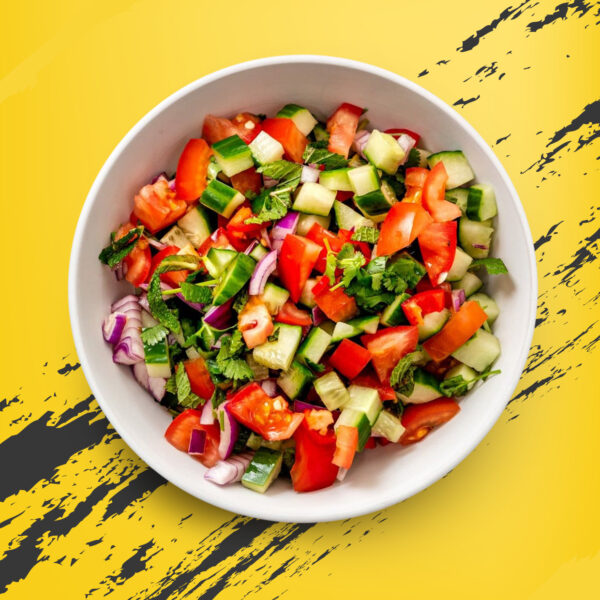
- Crunch craving → carrot sticks or cucumber slices
Cravings and Addictive Foods
Some foods are designed to be addictive. Processed snacks, sodas, and fast foods are engineered with the perfect balance of fat, sugar, and salt. This “bliss point” keeps us wanting more. Understanding this can help us take control and not fall into food addiction.
The Difference Between Hunger and Craving
- Hunger: Gradual, satisfied with any food, linked to physical need.
- Craving: Sudden, specific, persists even when full, linked to emotional or psychological need.
Learning to recognize the difference helps in controlling unnecessary eating.
Tips for Long-Term Control Over Cravings
- Plan meals ahead to avoid impulsive eating.
- Eat more whole foods instead of processed snacks.
- Stay active, since exercise regulates hormones and mood.
- Allow small treats instead of complete restriction, which can cause stronger cravings.
- Listen to your body and learn the difference between true hunger and emotional need.
Conclusion
Cravings are a mix of biology, psychology, and environment. They are not simply about hunger but about how our brain, hormones, emotions, and culture work together. By understanding the science of cravings, we can take smarter steps to manage them without guilt.
Cravings will always exist, but with the right knowledge and strategies, we can enjoy food in balance and maintain a healthy lifestyle.
Beehive Restaurant and Lounge is a vibrant culinary destination in Portland, Oregon, offering a unique blend of authentic African cuisine infused with the sweetness of honey. Whether you’re joining us for a meal or a special celebration, Beehive is your hive of warmth, hospitality, and exceptional culinary delights. Connect with us on social media and join our community to stay updated on our latest offerings and events!