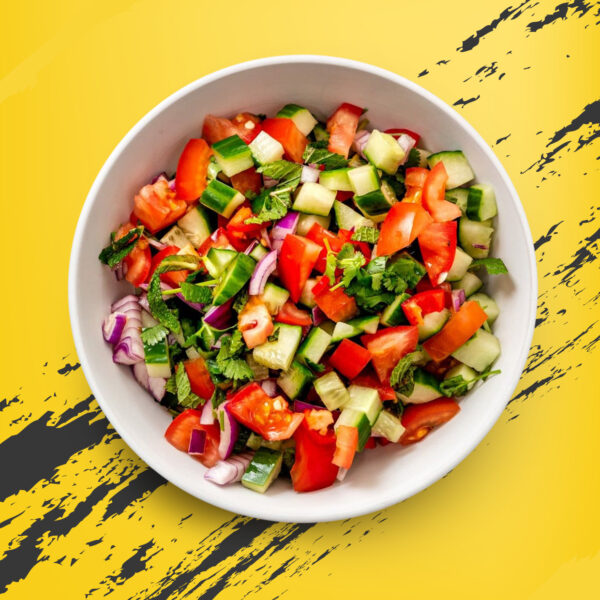
Building healthy eating habits that last is not about strict diets or short-term plans. It is about creating simple, repeatable actions that become part of our daily life. When we build habits slowly and correctly, they stay with us for years. In this complete guide, we explain practical, clear, and powerful steps to develop eating habits that improve our energy, health, and long-term wellbeing.
Understanding What Healthy Eating Habits Really Mean
Healthy eating habits are consistent food choices that nourish the body, support mental clarity, and maintain stable energy throughout the day. They are not extreme restrictions. They are not temporary detox plans. They are sustainable behaviors.
Healthy eating habits include:
- Eating balanced meals regularly
- Choosing whole foods over processed foods
- Controlling portion sizes
- Drinking enough water
- Eating mindfully without distraction
When we understand this clearly, we stop chasing trends and start building routines.
Start With Small and Realistic Changes
Lasting change begins with small steps. If we try to change everything at once, we feel overwhelmed. Instead, we focus on one habit at a time.
Examples of small changes:
- Add one serving of vegetables to lunch daily
- Replace sugary drinks with water three times per week
- Eat breakfast within one hour of waking up
- Cook at home two days per week
Small habits build confidence. Confidence builds consistency. Consistency builds results.
Create a Structured Eating Routine
Our bodies respond well to routine. Eating at consistent times helps regulate hunger signals and prevents overeating.
A structured daily pattern may include:
- Breakfast
- Mid-morning snack
- Lunch
- Afternoon snack
- Dinner
Skipping meals often leads to intense hunger later. When we follow a regular schedule, we avoid sudden cravings and energy crashes.
Focus on Balanced Meals Every Day
A balanced meal includes:
- Protein (chicken, beans, eggs, fish, lentils)
- Healthy fats (avocado, nuts, seeds, olive oil)
- Complex carbohydrates (brown rice, sweet potatoes, whole grains)
- Vegetables and fruits
When meals contain all macronutrients, we feel satisfied longer. This reduces unnecessary snacking and improves blood sugar control.
Learn Proper Portion Control Without Extreme Restriction
Healthy eating habits require awareness of portion sizes. Overeating even healthy food can slow progress.
Simple portion guidelines:
- Protein: size of your palm
- Carbohydrates: size of your fist
- Fats: size of your thumb
- Vegetables: fill half your plate
We do not need to measure everything. Visual portion awareness is enough for most people.
Reduce Processed Foods Gradually
Processed foods often contain:
- Added sugars
- Excess sodium
- Artificial preservatives
- Refined oils
Instead of removing everything at once, we replace slowly:
- Choose whole fruit instead of packaged snacks
- Cook fresh meals instead of ordering takeout
- Read ingredient labels carefully
Gradual replacement prevents frustration and increases long-term success.
Master the Habit of Reading Food Labels
Understanding food labels empowers better decisions. We check:
- Serving size
- Added sugars
- Sodium content
- Ingredient list
Short ingredient lists with recognizable foods are usually better. Awareness builds control.
Plan Meals Ahead of Time
Meal planning prevents unhealthy decisions during busy days. When we plan, we avoid last-minute fast food choices.
Effective meal planning includes:
- Preparing weekly grocery lists
- Cooking in batches
- Storing healthy snacks
- Packing lunches in advance
Preparation reduces stress and strengthens discipline.
Control Emotional Eating Triggers
Many people eat due to stress, boredom, or emotions. To build healthy eating habits that last, we must recognize emotional triggers.
Steps to manage emotional eating:
- Pause before eating and ask, “Am I hungry?”
- Drink water first
- Take a short walk
- Practice deep breathing
When we separate hunger from emotion, we gain control over choices.
Practice Mindful Eating Every Day
Mindful eating improves digestion and satisfaction. We focus fully on the meal without distractions.
Mindful eating habits include:
- Eating slowly
- Chewing thoroughly
- Avoiding phones and television
- Recognizing fullness signals
When we eat with attention, we eat less and enjoy more.
Build a Healthy Relationship With Food
Healthy eating habits last when food is not seen as “good” or “bad.” All foods can fit in moderation.
Avoid extreme thinking such as:
- “I failed because I ate dessert.”
- “I must eliminate all carbs forever.”
Instead, aim for balance. Occasional treats do not destroy progress. Consistency matters more than perfection.
Stay Hydrated Throughout the Day
Hydration plays a major role in appetite control and energy levels. Many people confuse thirst with hunger.
Practical hydration habits:
- Drink a glass of water upon waking
- Carry a reusable water bottle
- Drink water before meals
- Limit sugary beverages
Water supports digestion, metabolism, and mental clarity.
Create a Supportive Food Environment
Our environment influences our habits. To make healthy eating easier:
- Keep fruits visible
- Store unhealthy snacks out of sight
- Prepare healthy snacks in advance
- Organize the refrigerator for easy access
When healthy choices are convenient, we naturally choose them.
Develop Strong Grocery Shopping Habits
Healthy eating starts at the store. Smart grocery habits include:
- Shop with a list
- Avoid shopping while hungry
- Choose whole foods from the outer aisles
- Compare labels before buying
Intentional shopping prevents impulse purchases.
Improve Cooking Skills Gradually
Cooking at home increases control over ingredients. Simple cooking skills include:
- Grilling lean protein
- Steaming vegetables
- Baking instead of frying
- Using herbs and spices for flavor
We do not need advanced skills. Basic cooking knowledge supports lifelong healthy eating.
Prioritize Fiber for Long-Term Health
Fiber supports digestion and keeps us full longer. Good fiber sources include:
- Whole grains
- Legumes
- Vegetables
- Fruits
- Seeds
High-fiber meals stabilize blood sugar and reduce overeating.
Ensure Adequate Protein Intake
Protein supports muscle repair, hormone balance, and satiety. Including protein in every meal helps reduce cravings.
Examples of protein-rich foods:
- Eggs
- Chicken breast
- Fish
- Beans
- Greek yogurt
- Tofu
Consistent protein intake improves overall nutrition.
Sleep and Stress Management Support Healthy Eating
Poor sleep increases hunger hormones. High stress increases cravings for sugary foods.
Healthy habits that support eating discipline:
- Sleep 7–8 hours per night
- Maintain a relaxing bedtime routine
- Practice stress reduction techniques
- Exercise regularly
Lifestyle balance strengthens nutritional discipline.
Track Progress Without Obsession
Tracking progress helps maintain motivation. However, it must be healthy and realistic.
Ways to track progress:
- Monitor energy levels
- Observe improved digestion
- Notice stable mood
- Track physical measurements occasionally
Healthy eating habits that last focus on overall wellbeing, not only weight.
Allow Flexibility to Prevent Burnout
Rigid diets fail because they are unsustainable. Healthy eating habits require flexibility.
We can:
- Enjoy celebrations without guilt
- Adjust meals when traveling
- Make better choices rather than perfect ones
Flexibility ensures long-term consistency.
Teach Healthy Eating Within the Family
Habits strengthen when shared. Cooking together and eating together build accountability and positive influence.
Family habits include:
- Eating meals at the table
- Involving children in meal preparation
- Introducing new vegetables regularly
- Limiting sugary snacks at home
Shared habits become part of family culture.
Commit to Long-Term Thinking
Healthy eating habits that last are built with patience. Results appear gradually but remain stable.
Instead of asking:
- “How fast will I see change?”
We ask:
- “Can I maintain this for years?”
Sustainable habits always win over extreme plans.
Final Thoughts on Building Healthy Eating Habits That Last
Building healthy eating habits that last requires awareness, structure, and consistency. We focus on balance, preparation, mindful choices, and steady improvement. We avoid extremes and build routines that fit real life.
When healthy eating becomes part of our daily identity rather than a temporary effort, success becomes permanent. Step by step, meal by meal, choice by choice, we build a stronger, healthier future.
Beehive Restaurant and Lounge is a vibrant culinary destination in Portland, Oregon, offering a unique blend of authentic African cuisine infused with the sweetness of honey. Whether you’re joining us for a meal or a special celebration, Beehive is your hive of warmth, hospitality, and exceptional culinary delights. Connect with us on social media and join our community to stay updated on our latest offerings and events!